
The Writers’ Route along the new SS640
Detail
Are you passionate about literature and dream of visiting the birthplaces and sources of inspiration of Sicily’s leading authors? The Writers’ Trail is the itinerary for you! An emotional, poetic journey that runs along the SS 640 and connects Porto Empedocle to Caltanissetta, passing through some of the island’s most fascinating literary sites. A journey of the soul, immersed in the artistic and natural beauty of a region that is an ‘open book’, just waiting to be explored!

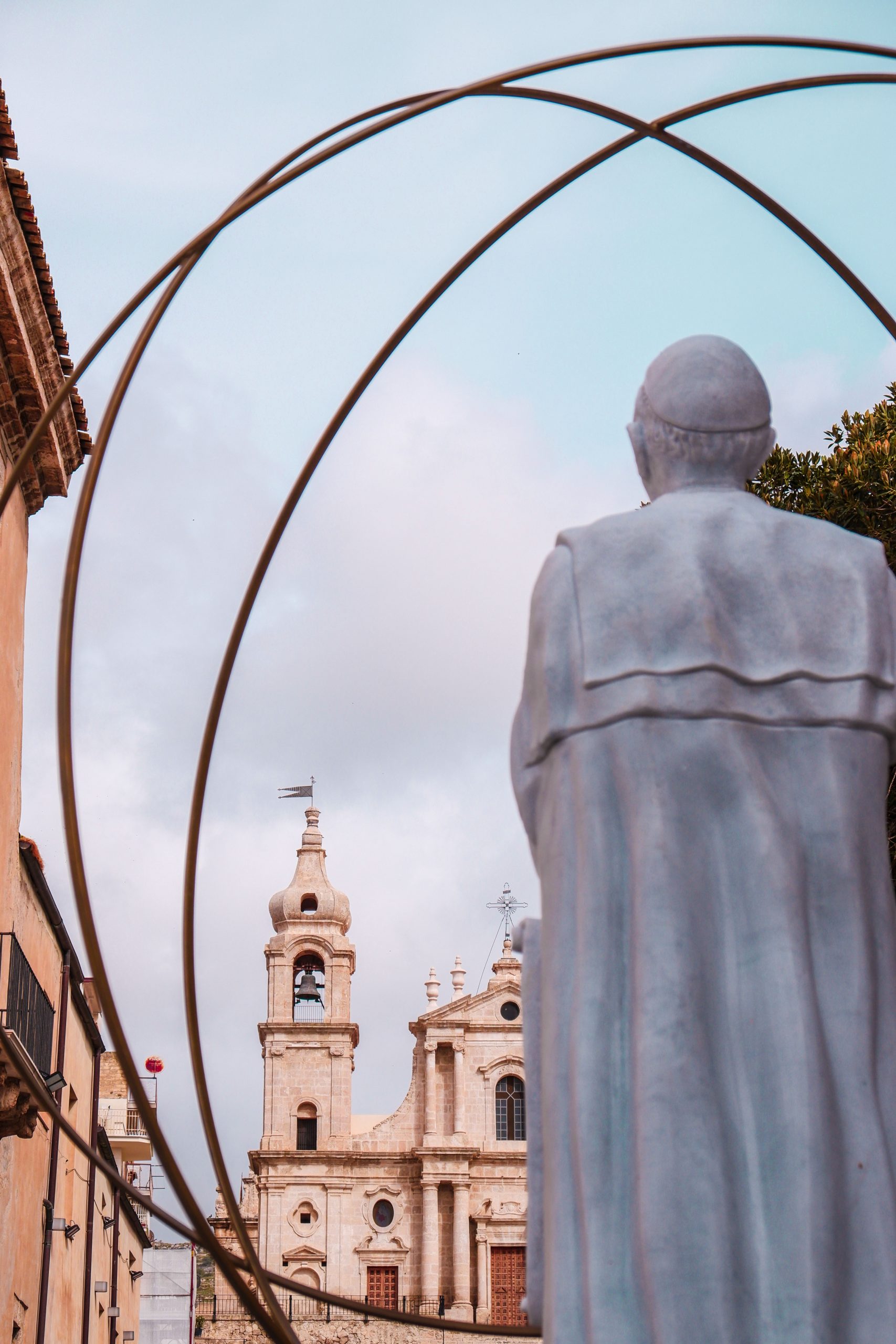

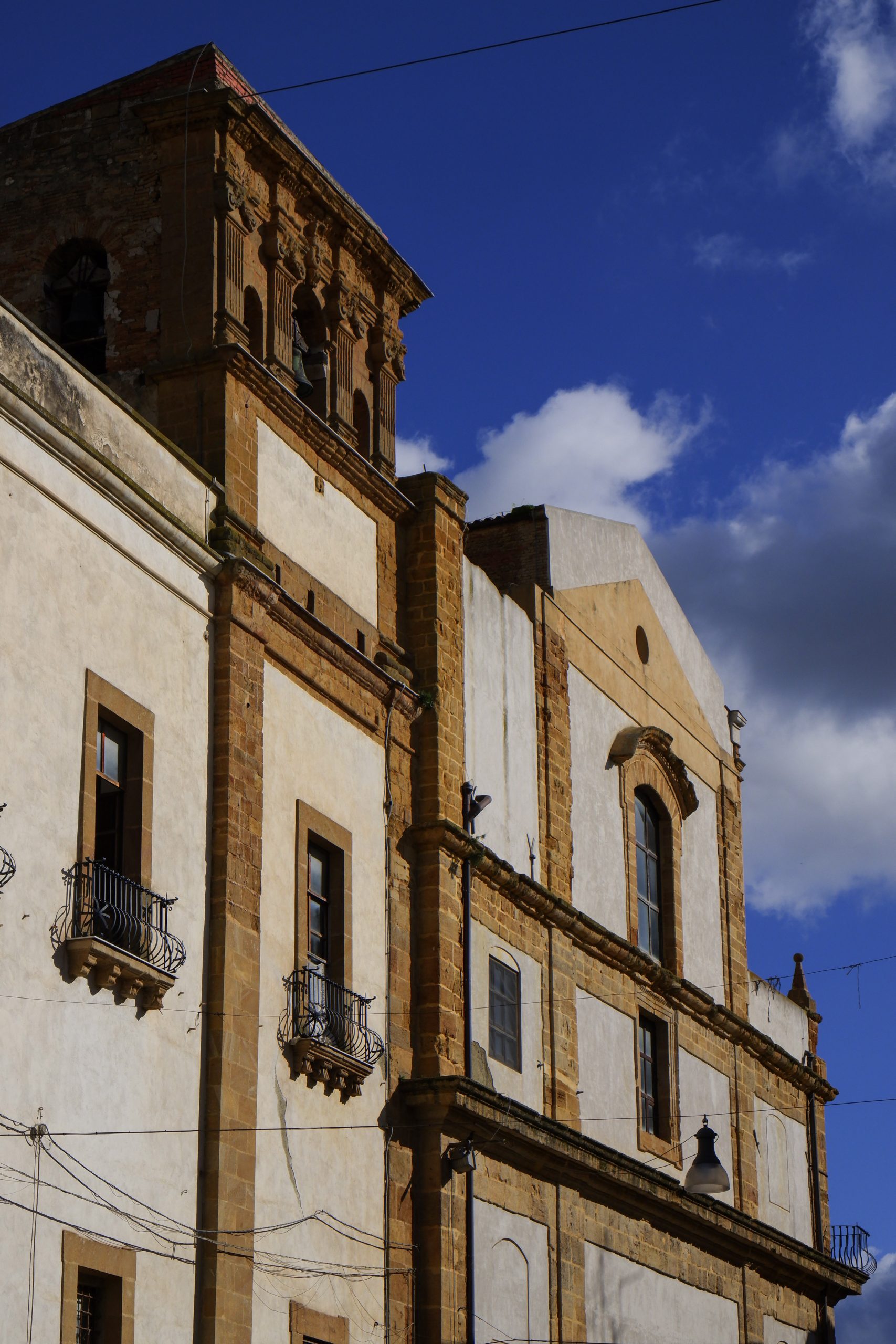

PORTO EMPEDOCLE (AG)
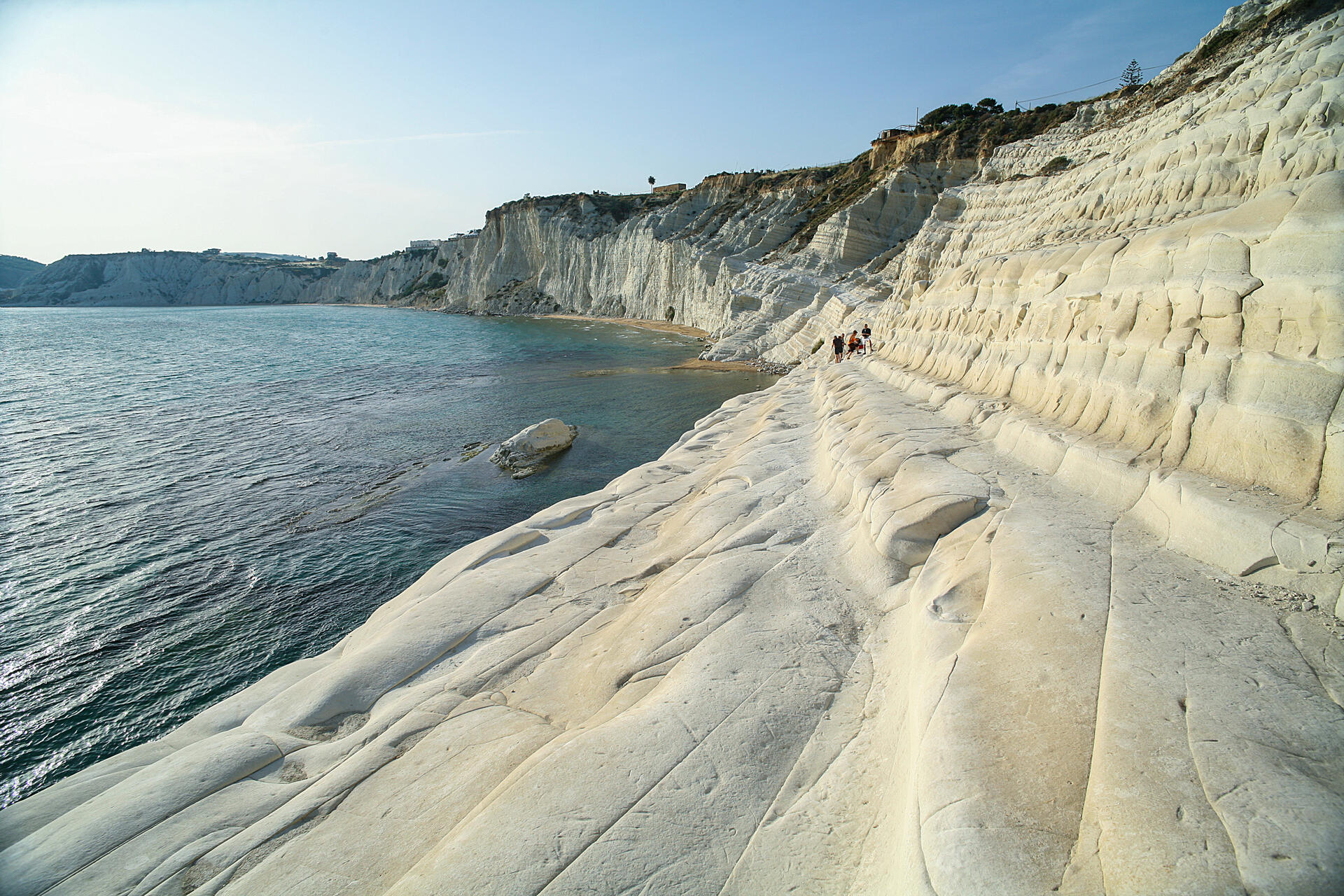
We begin in Porto Empedocle and the unforgettable locations described in Andrea Camilleri’s novels, starting with the Scala dei Turchi: a spectacular rocky cliff face overlooking the sea, along the coast of Realmonte, just a stone’s throw from the ‘cathedral of salt’ (carved out of a rock salt mine) featuring sculptures, bas-reliefs, holy water fonts and sacred furnishings. In the town centre, we recognise the ‘Vigata’ brought to life by the Master’s pen – the most famous town in the Inspector Montalbano series: Marina di Girgenti, where the majestic Tower of Charles V stands out. It was here that the events of *The Forgotten Massacre*, another of his novels, took place, and where Luigi Pirandello spent his childhood.
AGRIGENTO
Mentioning Pirandello takes us straight to the rich territory of Agrigento, where myth, history, archaeology and literature intertwine: from the legendary Contrada Caos, home to his birthplace, to the historic centre of Girgenti, where one expects to encounter at any moment the memorable characters who populate his works, perhaps whilst visiting the Lucchesiana Library, the Church of Itria (where the writer married Antonietta Portulano), his family home, the ‘Pirandello’ Theatre and all the recognisable scenes amongst the alleyways, squares and courtyards that serve as literary backdrops. The Cathedral of San Gerlando, on the other hand, is the setting for the ‘Montelusa’ imagined by Pirandello and later revisited by Camilleri, and for a crucial scene in The Leopard by Giuseppe Tomasi di Lampedusa, which takes place at the top of the bell tower.
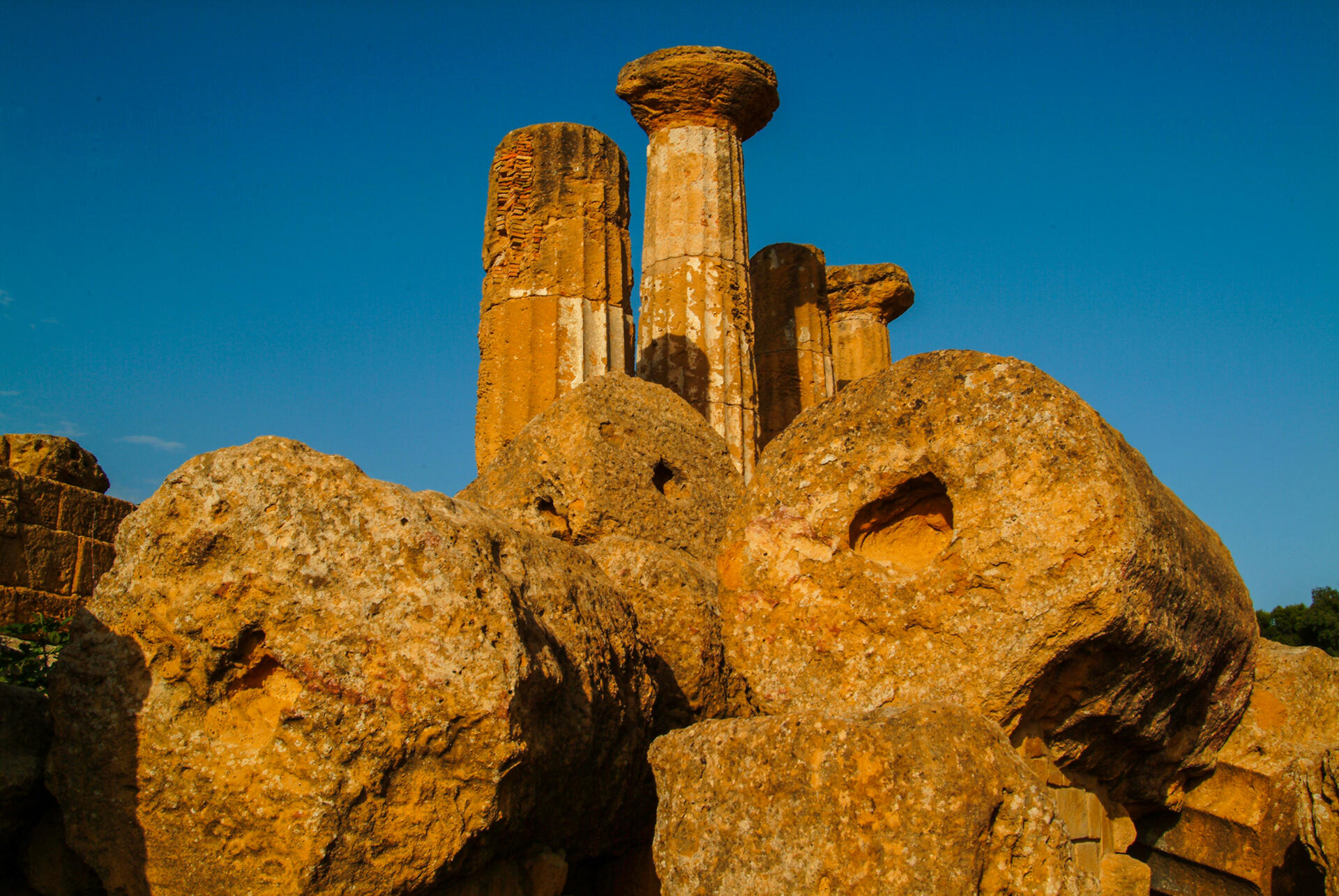
Before continuing along the Writers’ Trail, the route veers off towards the legendary Kolymbethra Garden, in the Valley of the Temples. Situated between the Temple of the Dioscuri and the Temple of Vulcan, this garden of Greek origin is mentioned by Pirandello in a descriptive passage. Finally, taking the turn-off for Rupe Atenea, you can follow the path leading to Baron Agnello’s country residence, amidst granaries, olive groves and fields that evoke the childhood haunts of Simonetta Agnello Hornby and the novel Un filo d’olio.
PALMA DI MONTECHIARO (AG)
To discover one of the sources of inspiration for The Leopard and enjoy a sweet treat, you need to head to Palma di Montechiaro and visit the marvellous Benedictine Monastery, where the cloistered nuns bake the famous almond biscuits, also known as ‘Ricci del Gattopardo’ and made famous worldwide by the novel. Even today, through the sturdy bars of the ancient ‘foundling wheel’, the nuns hand out these sweet treats to anyone who asks.
FAVARA (AG)
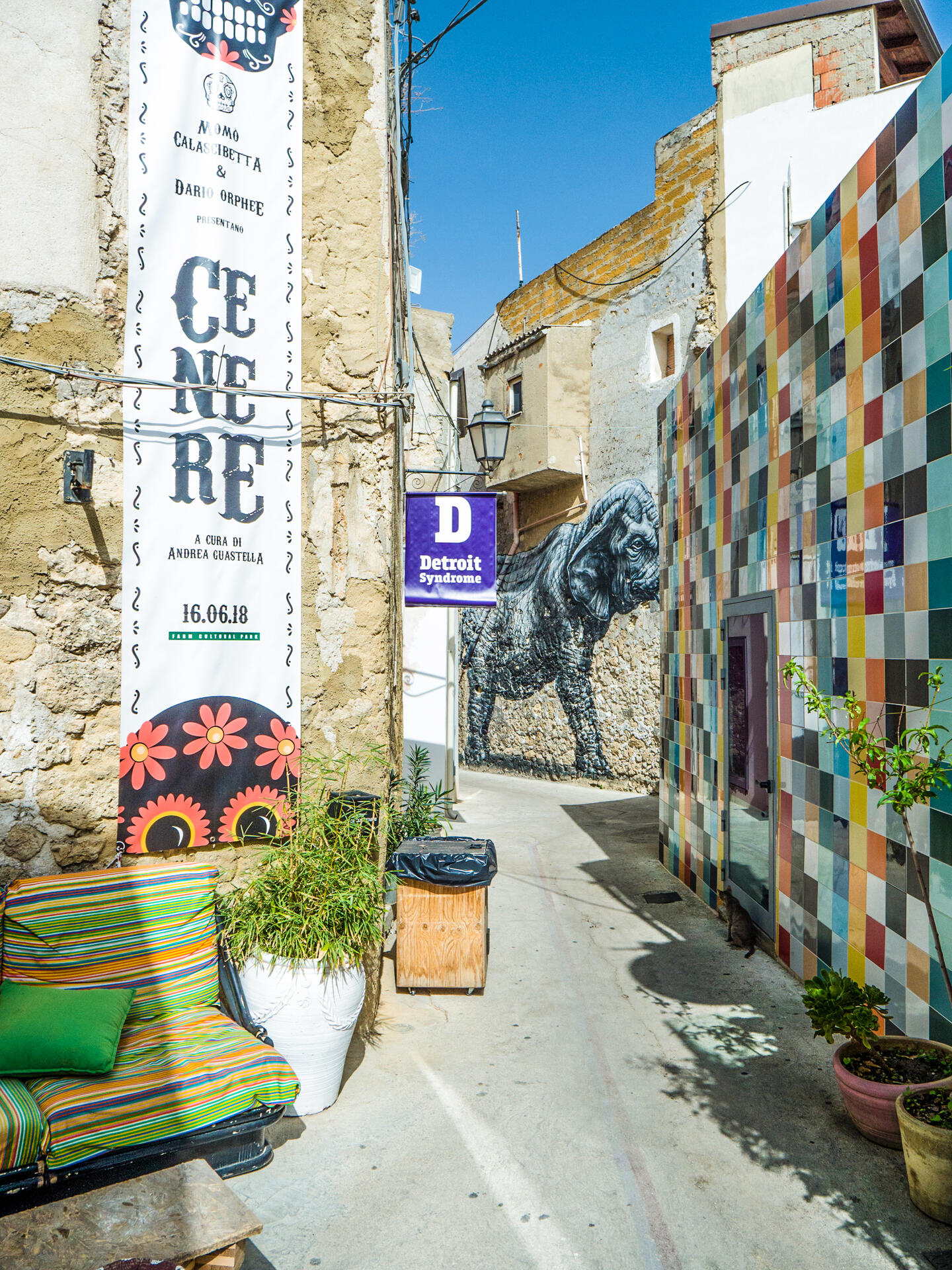
Staying a little longer in the Agrigento hinterland, the Writers’ Route offers the chance to discover the charm of the more inland villages, which are undergoing innovative urban regeneration projects and have therefore become places of great interest. This is the case with Favara, the birthplace of the writer Antonio Russello, whose most run-down neighbourhoods have been transformed into the Farm Cultural Park: an unmissable open-air museum of contemporary art.
RACALMUTO (AG)
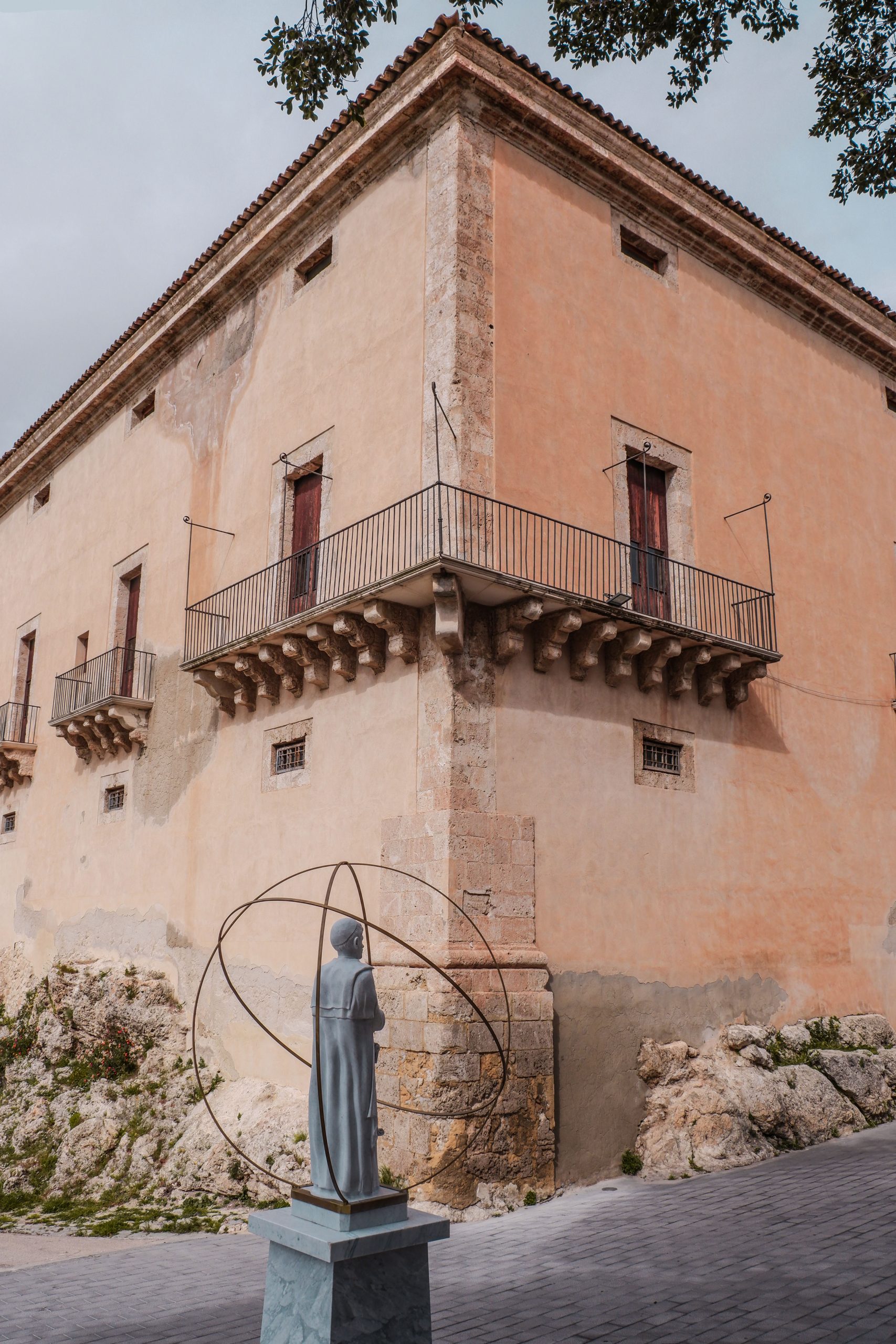
The itinerary continues towards Racalmuto to pay homage to its most illustrious son, Leonardo Sciascia, along the main street, with his customary cigarette between his fingers: at least that is how he is depicted in the monument designed by Giuseppe Agnello. Among the town’s many places of interest, from the Chiaramontano Castle to the Regina Margherita Theatre, the Leonardo Sciascia Foundation stands out: a former power station, elegantly restored, which has become a landmark for the writer’s fans and scholars. Finally, just outside the town centre, the Sican tombs known as the Grotte di Fra Diego La Matina – mentioned by Sciascia in his novel Morte dell’inquisitore – are easily reached, situated near the countryside where he loved to retreat to devote himself to writing and meet friends.
MONTEDORO (CL)
Part of the Caltanissetta area, the municipality of Montedoro is the birthplace of Angelo Petyx and Louise Hamilton Caico, two important figures in the Sicilian literary scene who feature along the Writers’ Route. Petyx (Montedoro 1912–1997) was a writer, poet, anti-fascist and partisan, best known for his novel The Occupied Mine, which refers to the local Nadurello Mine, adjacent to the Zolfara Museum (dedicated to him); Caico (Nice, 1861–1927), on the other hand, was an Anglo-Irish noblewoman who lived in the village for over sixteen years, in what is now the House-Museum; she was the author of *Sicilian Ways and Days* and left behind a substantial photographic archive.
CALTANISSETTA
As we reach the end of the Writers’ Trail, it leads us to Caltanissetta, described as ‘Little Athens’ by Sciascia himself. A veritable cultural hotbed, the city is the birthplace of figures of the calibre of Piermaria Rosso di San Secondo, a great playwright and author of Marionette, che passione!. His birthplace is located in the Santa Lucia district. The circle of local intellectuals also includes the poet Stefano Vilardo and the politician and journalist Emanuele Macaluso.
To find out more, visit the official “Strada degli Scrittori” website.
Share this content!
LOCATION
CATEGORIES
YOU MAY ALSO BE INTERESTED
Riesi, the village of the sulphur miners
In the heart of central Sicily, as we travel through the Salso Valley in the province of Caltanissetta, we discover [...]
Tusa e Castel di Tusa
Tusa is the perfect tourist destination. It is a town of art, sea and mountains. Its characteristics blend, creating a [...]
CALASCIBETTA
Calascibetta, close to Enna, is a small wonderful town in the heart of Sicily. It is one of the towns [...]