
Corleone
Detail
Corleone is today a town that tells a story of rebirth and civic redemption, capable of moving well beyond the shadow of its past. The name resonates in the collective imagination due to events linked to organised crime — an uncomfortable legacy that the community has chosen not to erase, but to confront head-on, transforming it into an active memory and a tool for education. Situated in the Sicilian hinterland, part of the Metropolitan City of Palermo, this town has reinvented itself as a symbol of resistance and the rule of law, preserving a rich cultural heritage of ancient traditions, Baroque churches, noble palaces and medieval vistas whose charm remains undiminished.
Testament to this journey of redemption is the C.D.M.A. (International Centre for Documentation on the Mafia and the Anti-Mafia Movement), one of the must-visit sites during a stay in the city, which masterfully recounts to visitors the history of the anti-Mafia pool and its leading figures. Founded in 2000, the C.I.D.M.A. is housed in the San Ludovico Monumental Complex (a former orphanage) and comprises four rooms, each dedicated to a specific event in the fight against the Mafia in the region: the Room of the Files (the 1986 Maxi-Trial), the Room of Messages and the Room of Sorrow (dedicated to the photographs of Letizia Battaglia), and the Carlo Alberto Dalla Chiesa Room. The latter pays tribute to the figure of Carabinieri General Carlo Alberto Dalla Chiesa, who was killed by the Mafia in Palermo on 3 September 1982, alongside the memory of the many men who fought organised crime to the point of sacrificing their own lives, such as Judges Falcone and Borsellino.
Other museums and art venues
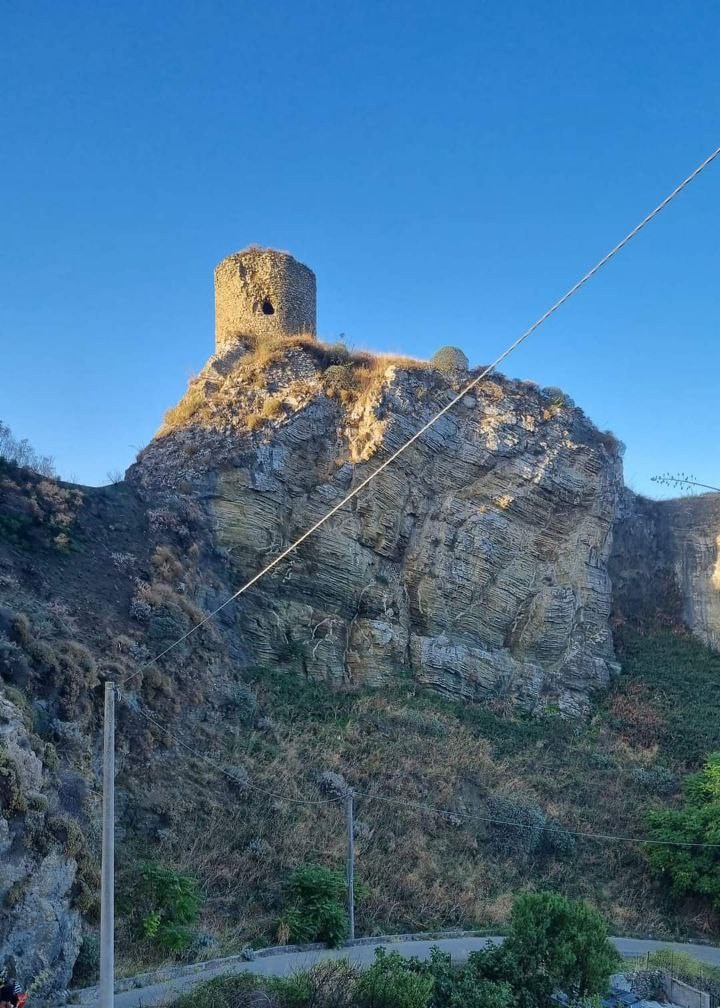
Corleone also boasts other interesting museums, such as the “Pippo Rizzo” Archaeological Museum, the Ethnographic Museum, the Civic Museum and the Museum of the Treasury of St Martin. A stroll through the historic centre allows visitors to appreciate its Spanish Baroque style, characterised by narrow streets and blocks of houses that reflect the typical Mediterranean layout. In the Middle Ages, Corleone was surrounded by a wall connecting the Upper Castle to the Lower Castle, following the outline of the Parish Church and a series of monasteries. Well worth a visit are the Mother Church, dating from the 14th century, the Church of St Augustine and the Church of St Rosalia. Among the civil buildings, the Palazzo Pretorio stands out.
Nature walks
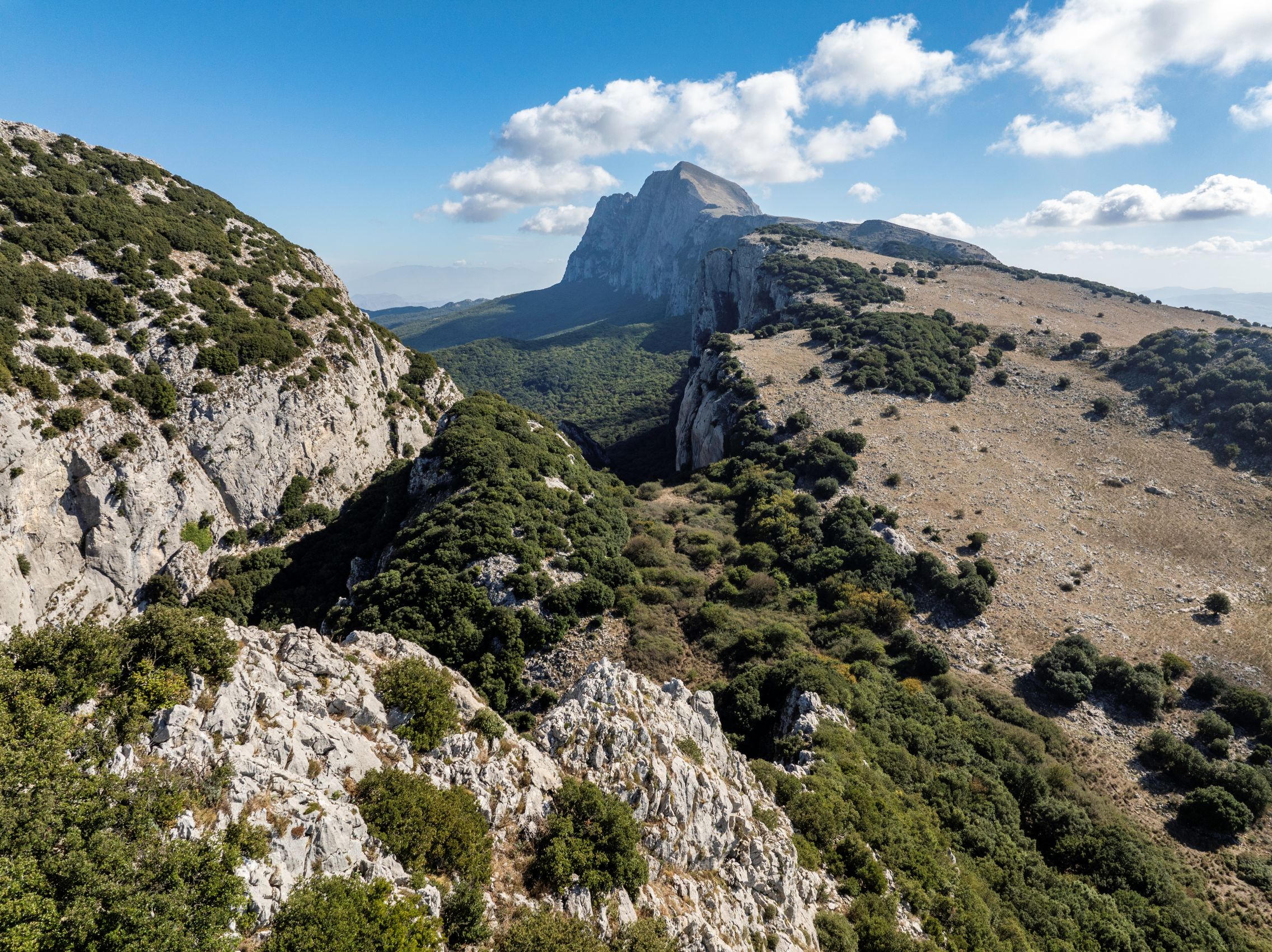
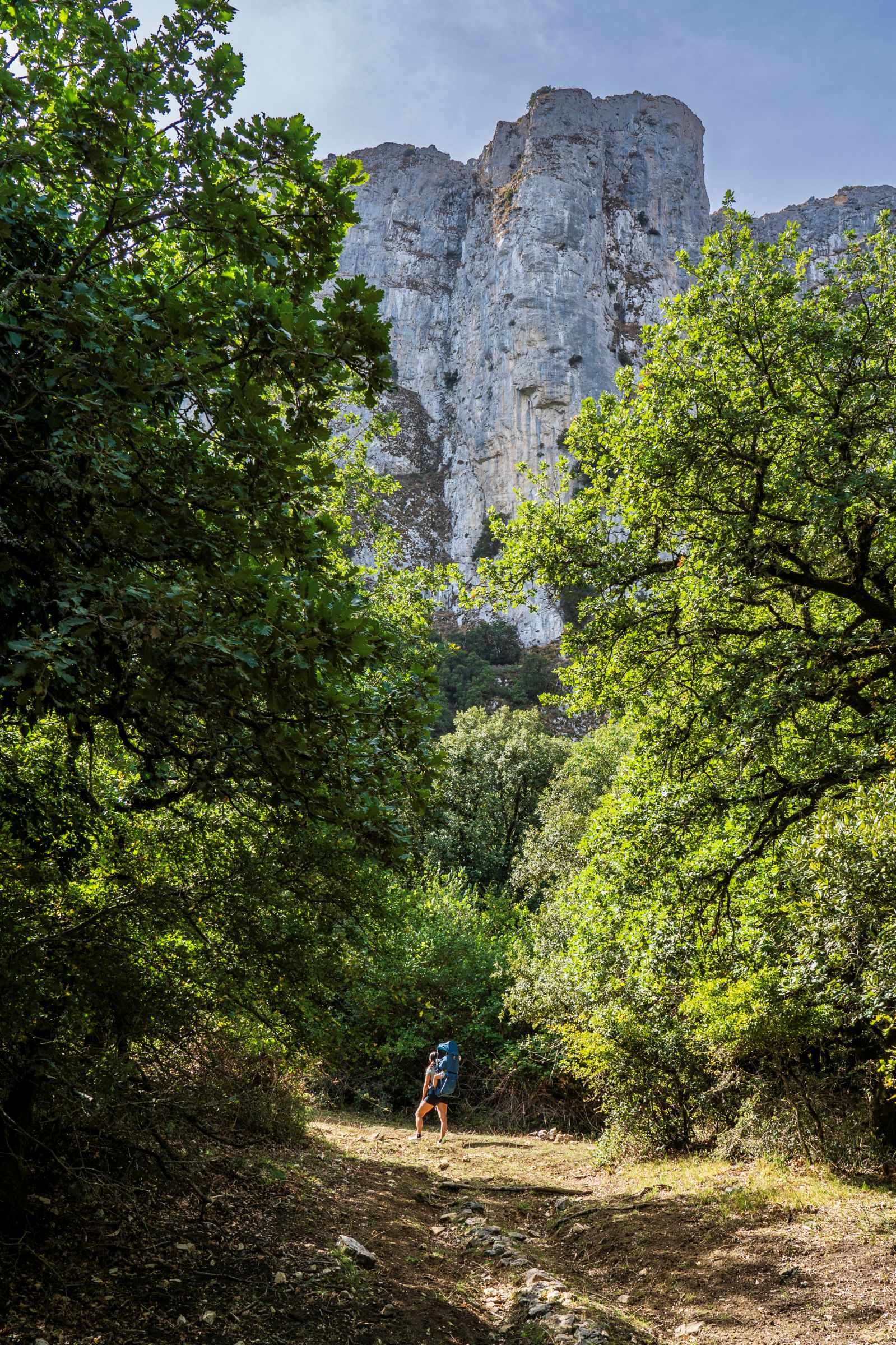
The area around Corleone is nestled in the Sosio Valley and the Bosco della Ficuzza, where history and nature intertwine along the Frattina stream, characterised by karst formations. Here, nature lovers can admire the ‘Gole del Drago’ and the ‘Marmitte Giganti’, deep gorges where the water creates whirlpools. Also not to be missed are the Due Rocche Waterfall, just a short walk from the centre, in the Nature Park of the same name.
Trails and itineraries
A section of the Magna Via Francigena (the Corleone-Prizzi stage) passes around Corleone, along which pilgrims encounter the ancient Baglio di Imbriaca, the baronial manor that was once a landmark for the entire countryside; whilst the Path on the footstep of San Bernardo is a spiritual and nature trail leading to Sciacca, following in the footsteps of the Capuchin friar San Bernardo da Corleone.
“The Godfather” and the film locations
The crime and court cases linked to the notorious “Corleonesi Clan” helped to create the legend of “The Godfather”, to which a dedicated museum is devoted, and to project Corleone onto the Hollywood silver screen, establishing the town as one of the most popular destinations for film tourism in Sicily.
A free and productive Corleone
Formerly known as the “Granary of Sicily”, today Corleone thrives on excellent agri-food products: olive oil, wheat, honey and tomatoes (the “Siccagno Costoluto di Corleone” variety), as well as pumpkins, saffron and snails (from whose slime cosmetic and pharmaceutical products are derived). Each of these products comes from farms confiscated from the Mafia or run by young emigrants who have returned to Sicily and who, together, are helping to rewrite a virtuous chapter in Corleone’s history.
Share this content!
YOU MAY ALSO BE INTERESTED
Sicily Sea for All
Sicily welcomes visitors with the warmth of its people, the flavors that tell ancient stories, and the deep blue of [...]
House of Memories Felicia and Peppino Impastato
A story of courage, resistance and love… The house of [...]
Farm Cultural Park, Favara
In the heart of the historic centre of Favara, a town in the province of Agrigento half an hour from [...]