
Discovering Custonaci, from the village to the sea
Detail
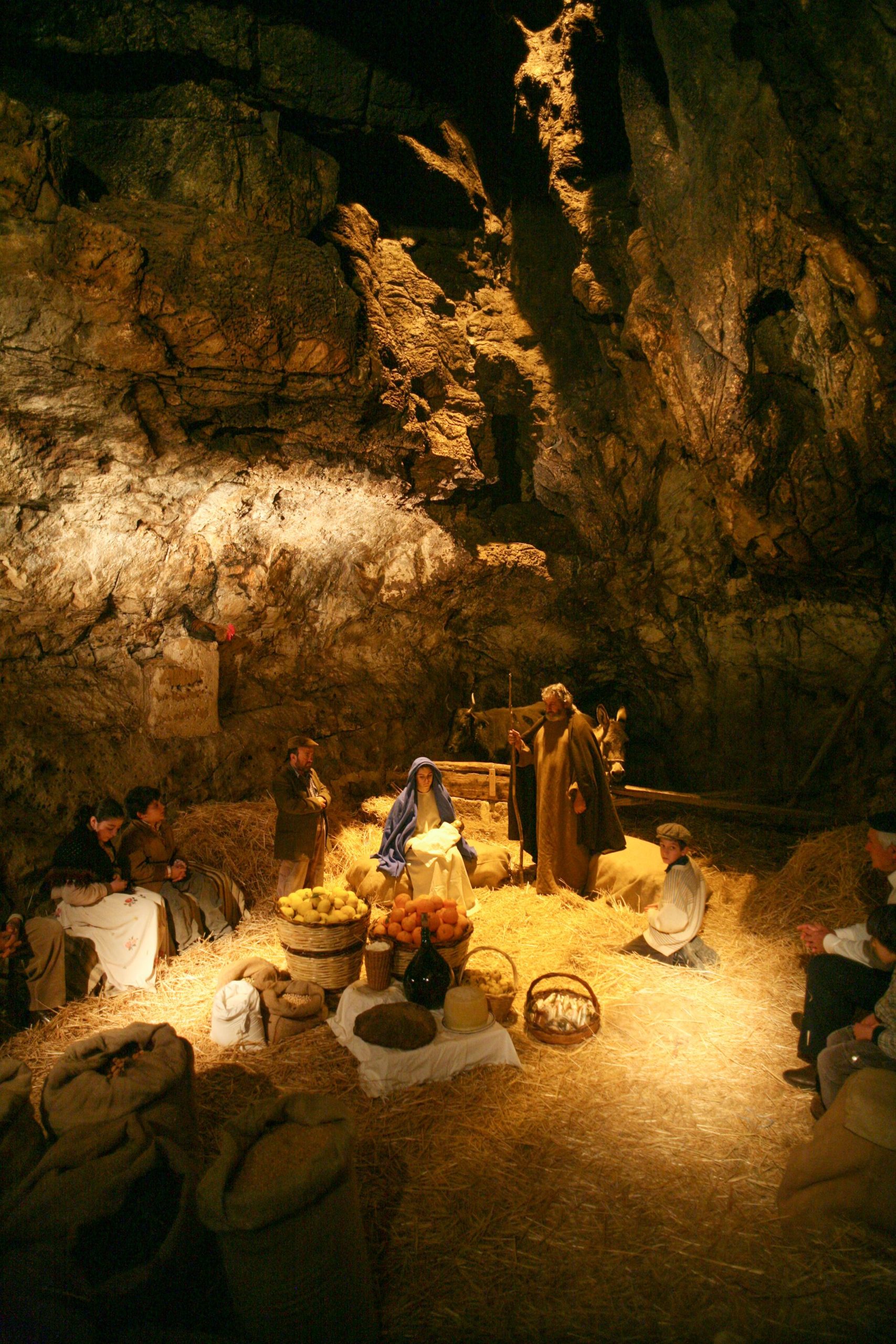
Famous as the “International City of Marble”, Custonaci, in the province of Trapani, boasts around 100 active quarries and some fifty industrial plants within its territory, confirming its status as Italy’s second-largest marble-producing area. The renowned Custonaci marble is known as ‘Perlato di Sicilia’ due to its light ivory colour with flecks of pure calcite; it is exported all over the world and is particularly sought after on the Arabian Peninsula and in the Vatican. As well as the marble quarries, Custonaci’s geology is characterised by a series of karst caves, which are well worth visiting: the Scurati Caves, for example, once an ancient prehistoric settlement, are now the setting for the unmissable “Custonaci Living Nativity Scene” (Mangiapane Cave).
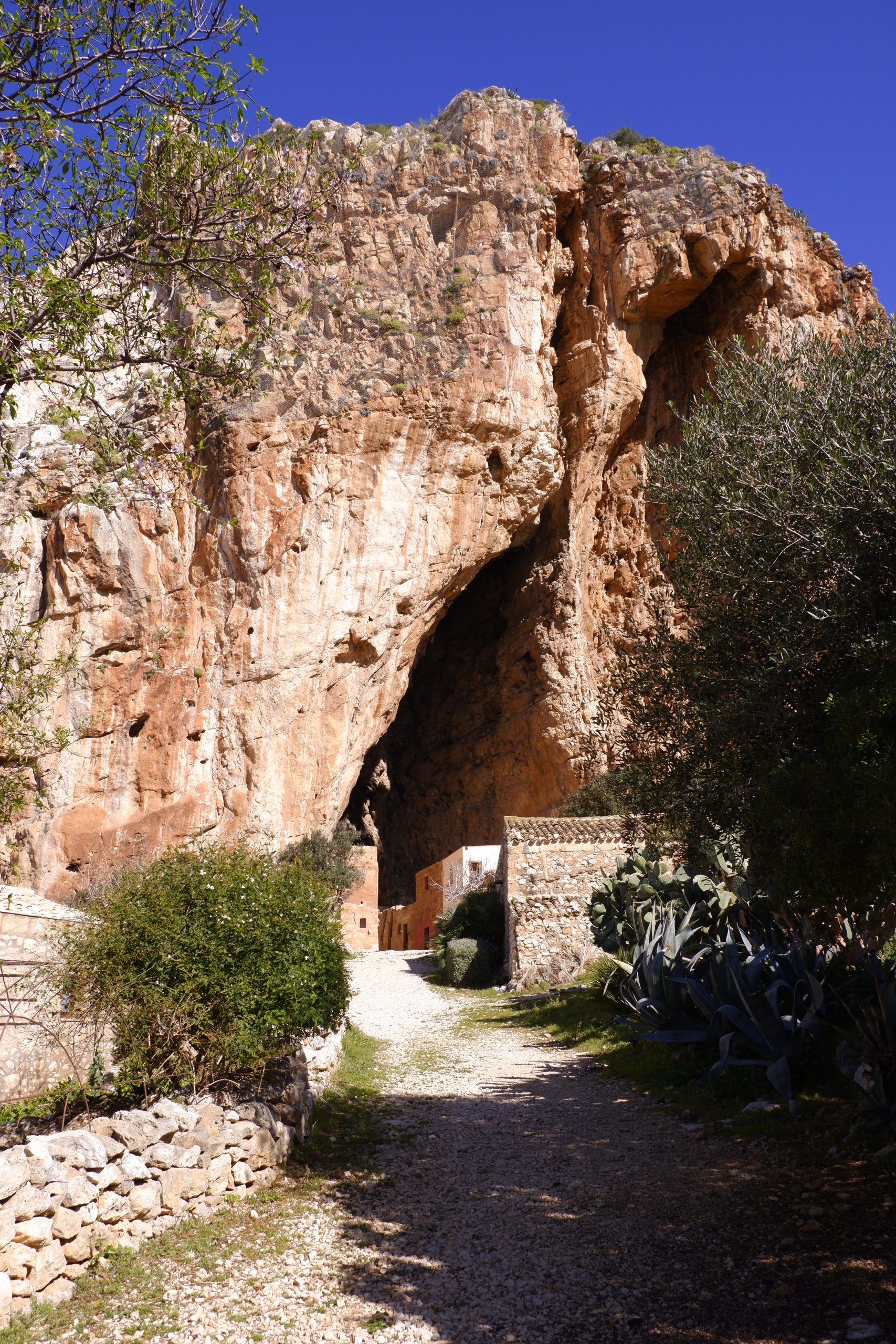
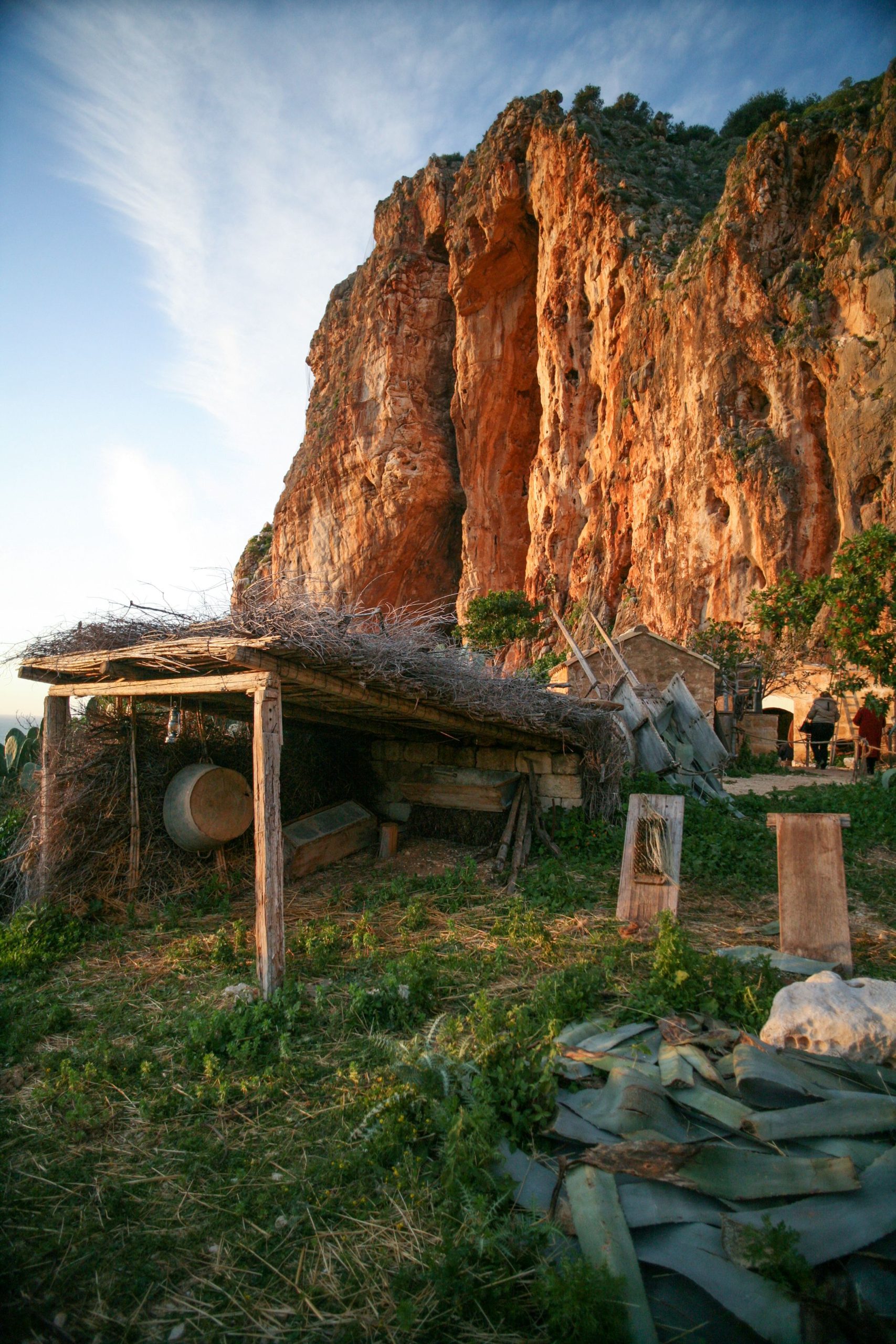
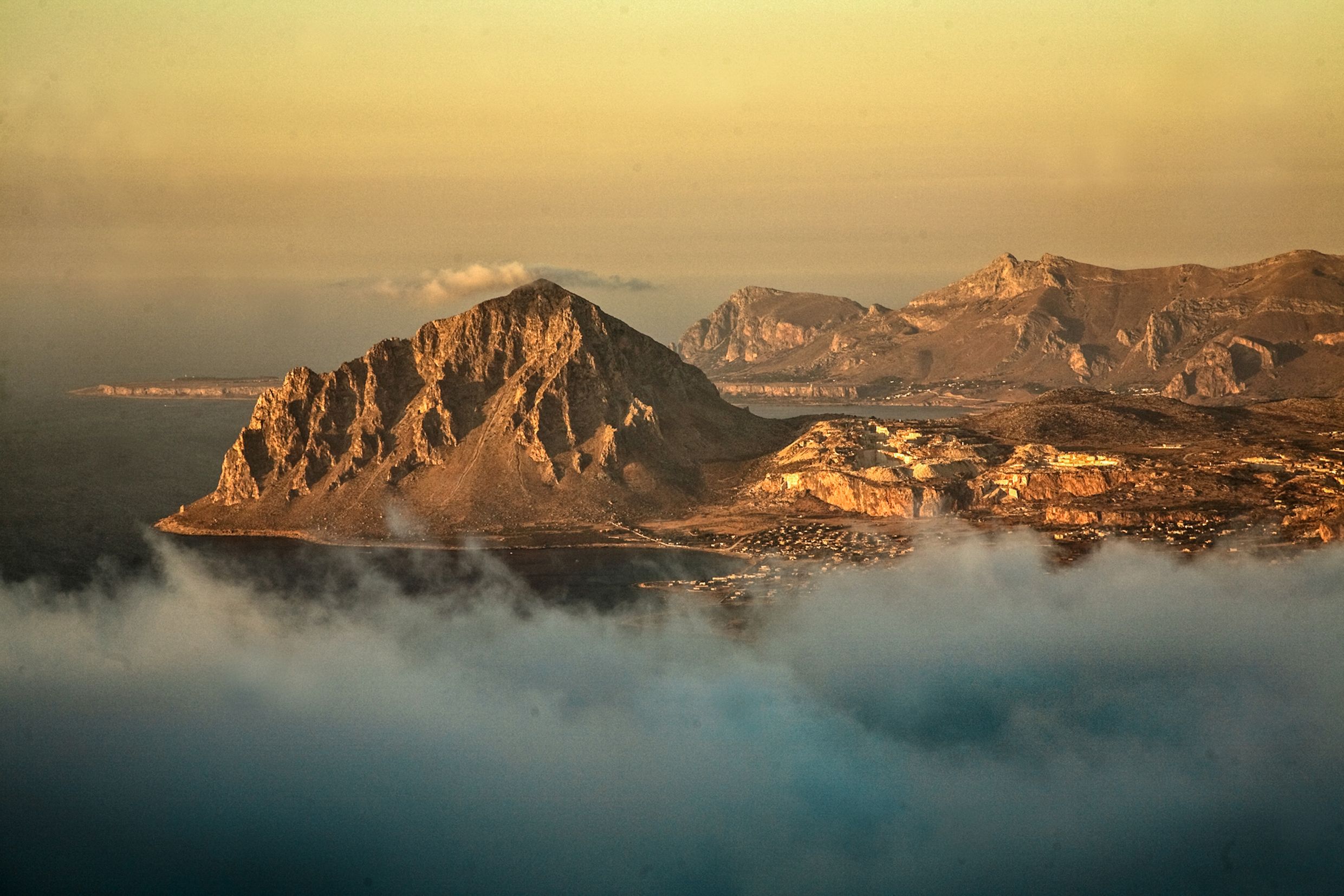
Another unique aspect of Custonaci is its balance between the sacred and the profane: whilst, on the one hand, the town is known as ‘Civitas Mariae’ due to the presence of the important Sanctuary of Maria Santissima di Custonaci (1500); on the other, the discovery in 2016 of an Islamic granary and two astronomical monuments nicknamed the ‘Horse of the Sun’ and the ‘Gate of the Sun’, both on Mount Sparagio, immerses the area in the fascinating world of Eastern wisdom. The sanctuary houses a 15th-century painting depicting the Virgin breastfeeding, an object of devotion for the people of Custonaci and Erice, alongside another emblematic image: a tempera on wood dated 1541, from the workshop of Crescenzio (school of Antonello da Messina), depicting a Madonna and Child who miraculously survived a storm at sea along with the vessel carrying her, landing in the Gulf of Cornino.
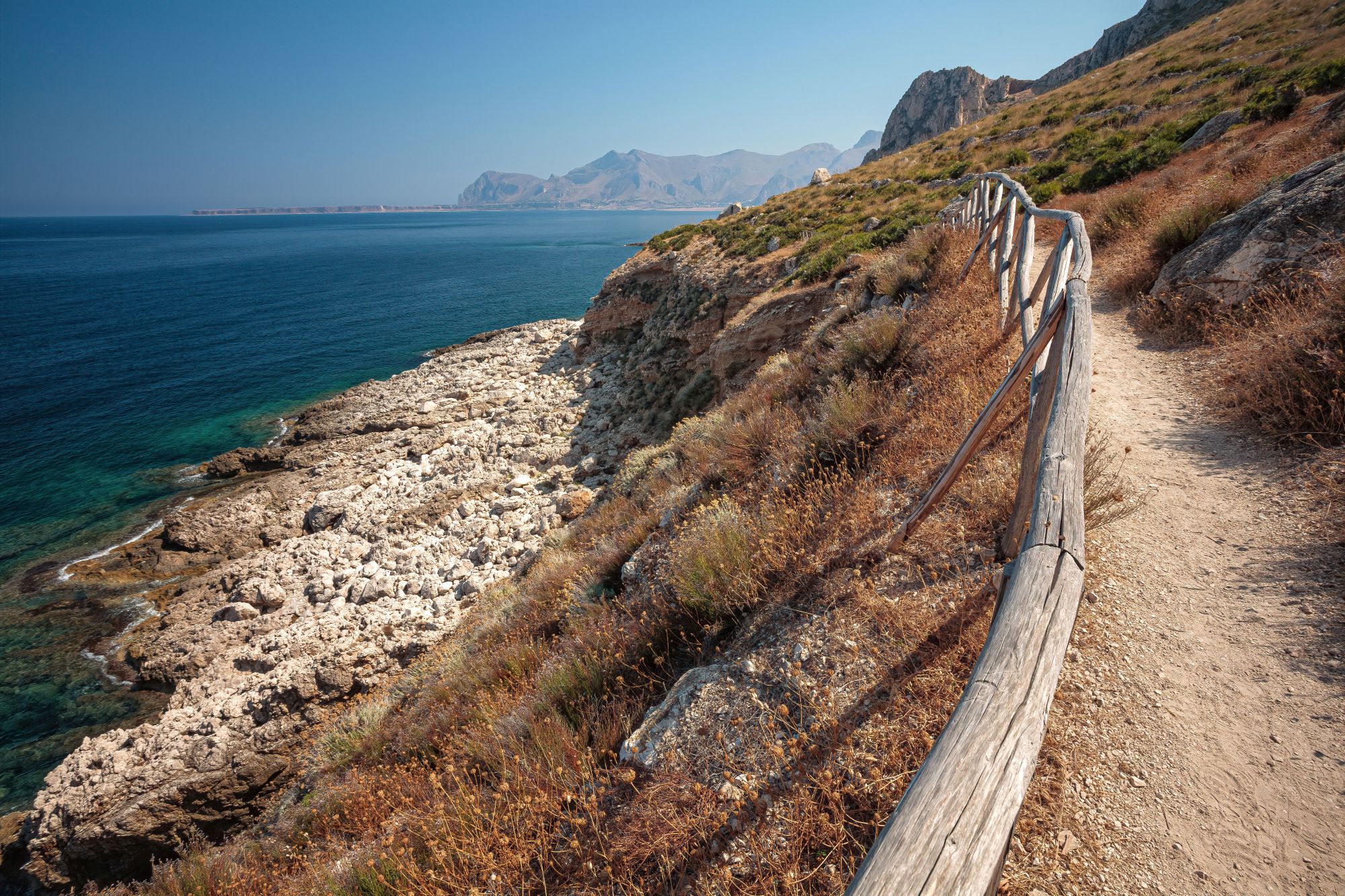
In Custonaci, nature lovers can explore everything from the Mediterranean vegetation of the ‘Monte Cofano’ Nature Reserve – which encompasses the Monte Cofano Tonnara Tower – to the enchanting beaches of the ‘Riviera dei Marmi’, at the eastern end of the Gulf of Bonagia, a unique location between Trapani and Macari. Its landscapes and activities linked to Mediterranean fishing place Custonaci within the ‘REIMAR Coastal Villages’ network, with significant historical and cultural importance (also linked to the folkloric re-enactment of the ‘Sbarco della Madonna di Custonaci’), as well as amongst the Italian municipalities awarded the legendary ‘Five Sails’ by Legambiente (2026), making it a clean seaside resort with a wealth of facilities for families.
Last but not least, Custonaci’s traditional cuisine invites visitors to sample the local delicacies. One dish in particular? The Spincia, one of Sicily’s oldest recipes, which consists of a fried ring-shaped pastry made from a dough of flour, milk and potatoes, served with honey or ricotta. The Spincia Festival in Custonaci (or “Spincia Fest”) is held every year in September and is certainly one of the “good reasons” to visit the town.
Share this content!
YOU MAY ALSO BE INTERESTED
Santa Margherita del Belice
Nestled in the Belice Valley, in the province of Agrigento, among excellent prickly pears, which have found their natural habitat [...]
CALASCIBETTA
Calascibetta, close to Enna, is a small wonderful town in the heart of Sicily. It is one of the towns [...]
Castiglione di Sicilia
Castiglione di Sicilia, perched on a hill on the northern slope of Etna, lies in the centre of the valley [...]