
The Bush Trained Vines of Pantelleria
Detail
The Bush Trained Vines of Pantelleria represent one of the island’s most authentic symbols: an ancient agricultural practice that combines ancestral know-how, resilience to extreme climate conditions, and a deep bond with the territory. In 2014, this cultivation technique was recognized as UNESCO Intangible Cultural Heritage, becoming the first agricultural practice in the world to receive such an honor.
What Are the Bush Trained Vines of Pantelleria?
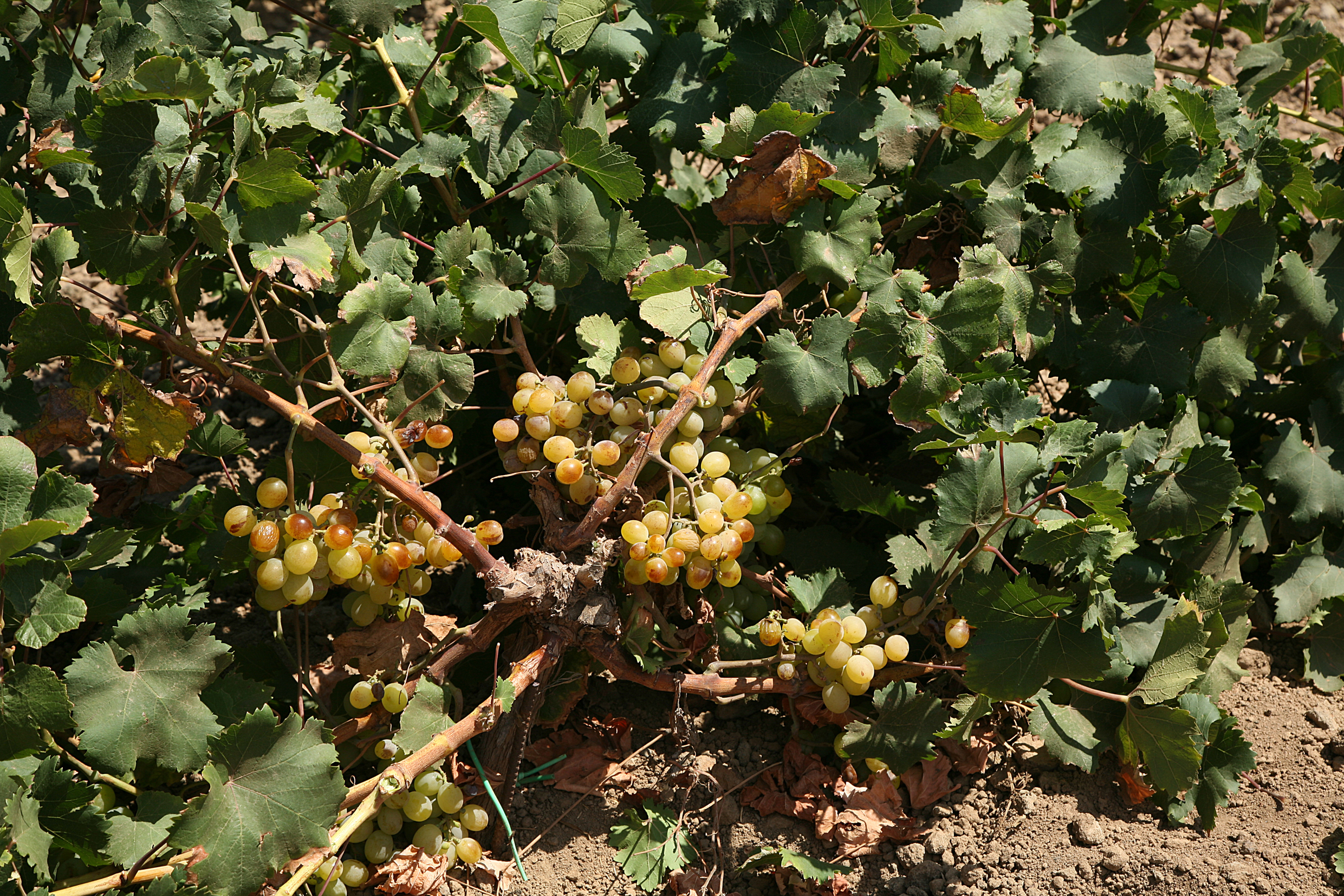
This traditional system is based on small vine stocks planted in shallow hollows dug into volcanic soil, which protect the plants from strong winds and help retain moisture in Pantelleria’s hot, arid environment. The vines grow low and compact, the result of centuries of artisanal, hand-crafted agriculture.
A Harsh Environment, an Extraordinary Technique
Pantelleria is swept by constant winds and characterized by steep, volcanic terrain. The Bush Trained Vine is the only system that ensures:
-
resistance to winds and the sirocco
-
protection from drought, with hollows that conserve nighttime humidity
-
optimal grape maturation, exposed to the sun but shielded from harsh elements
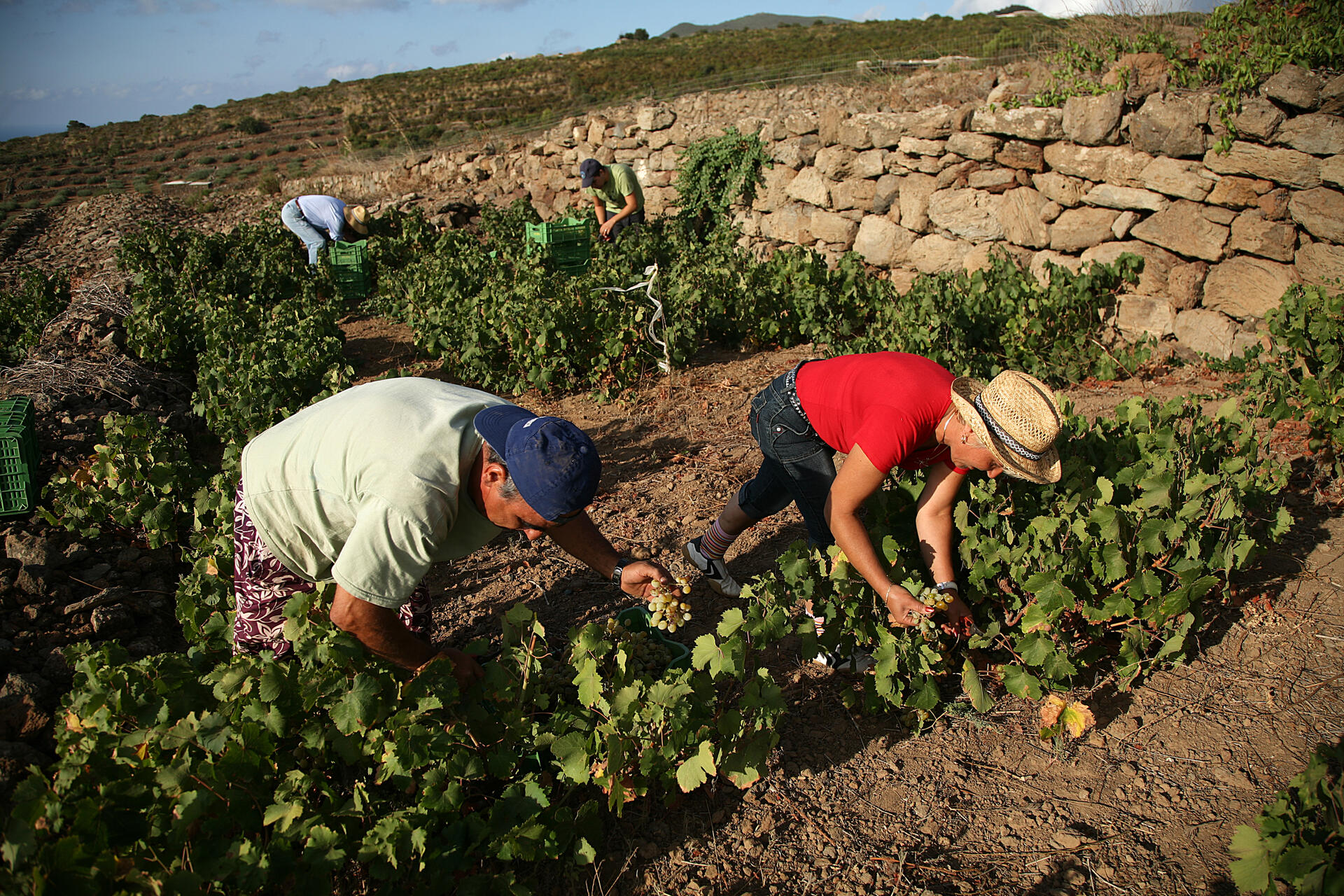
Every stage, from pruning to harvest, is still done by hand — a model of sustainable agriculture.
A UNESCO Heritage: Why It Matters
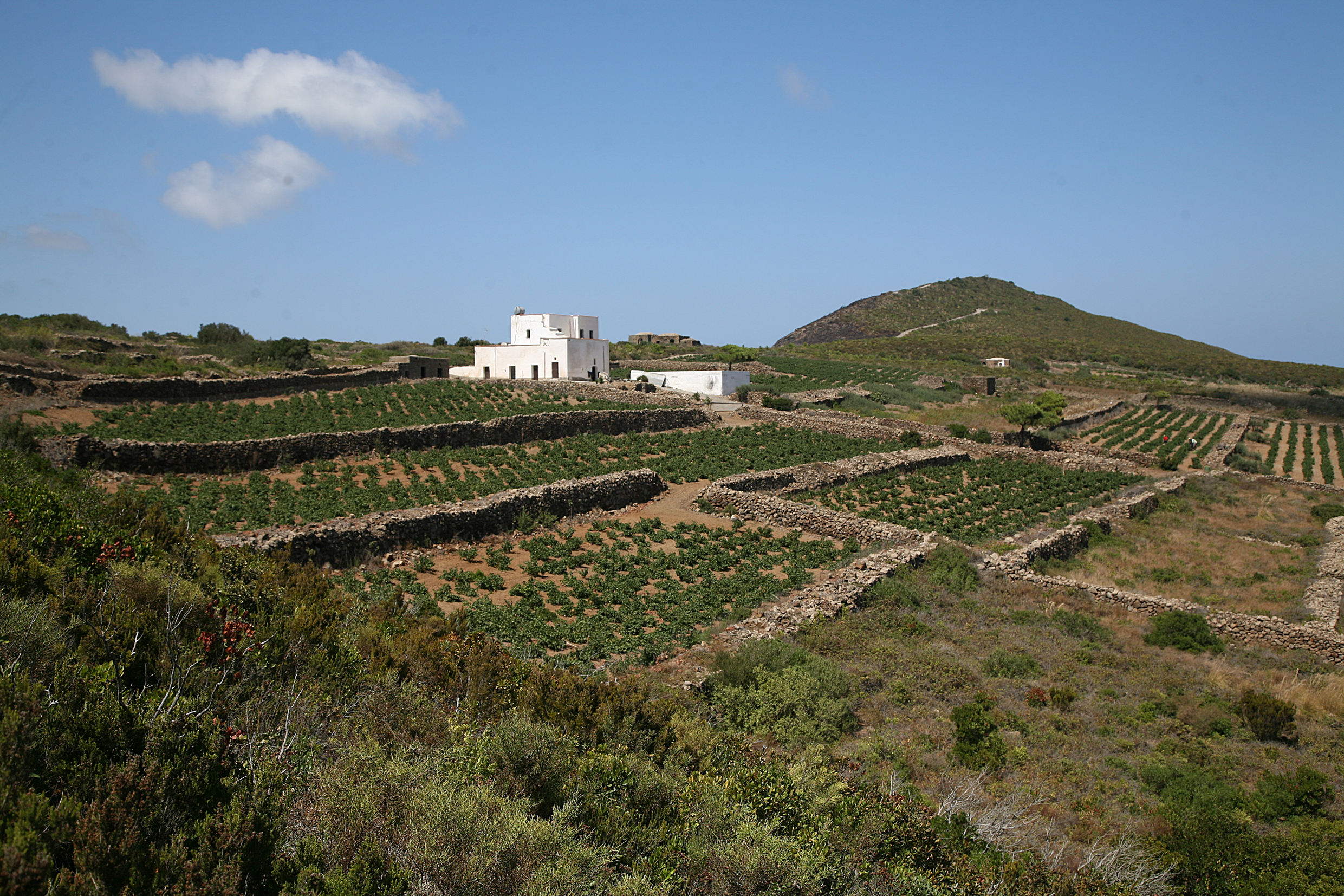
UNESCO’s recognition celebrates not only the technique, but also the cultural landscape it shapes: dry-stone walls, terraced fields, hand-dug hollows, and a community preserving a millennia-old wisdom.
The Fruit of Tradition: Zibibbo from Pantelleria
The bush-trained system is intimately connected to Zibibbo, a fragrant variety of Muscat of Alexandria. It is the foundation of the celebrated Passito di Pantelleria, known worldwide for its notes of candied fruit, citrus and Mediterranean flowers.
A Living Experience: Rural Tourism and Wine Culture
Visitors can explore terraced vineyards, traditional dammusi homes, wineries, and scenic routes among stone walls. Wine tastings, vineyard walks and sunset tours are now central to the island’s rural tourism.
Share this content!
YOU MAY ALSO BE INTERESTED