
In the footsteps of Ulysses in Favignana, the setting for Nolan’s film
Dettaglio
Sicily, as we know, is an open-air film set and one of the regions most loved by film tourism enthusiasts. The most recent location, which featured none other than Christopher Nolan’s highly anticipated Odyssey, is the island of Favignana, a remote and archaic gem of the Egadi archipelago. Situated in the heart of the Mediterranean, Favignana was chosen by the renowned director as the setting for Ithaca, the homeland of Odysseus and the symbolic location of the nostos – the hero’s epic ‘return’ to his home. What was it that won over the director and the entire crew? That’s easy to say!


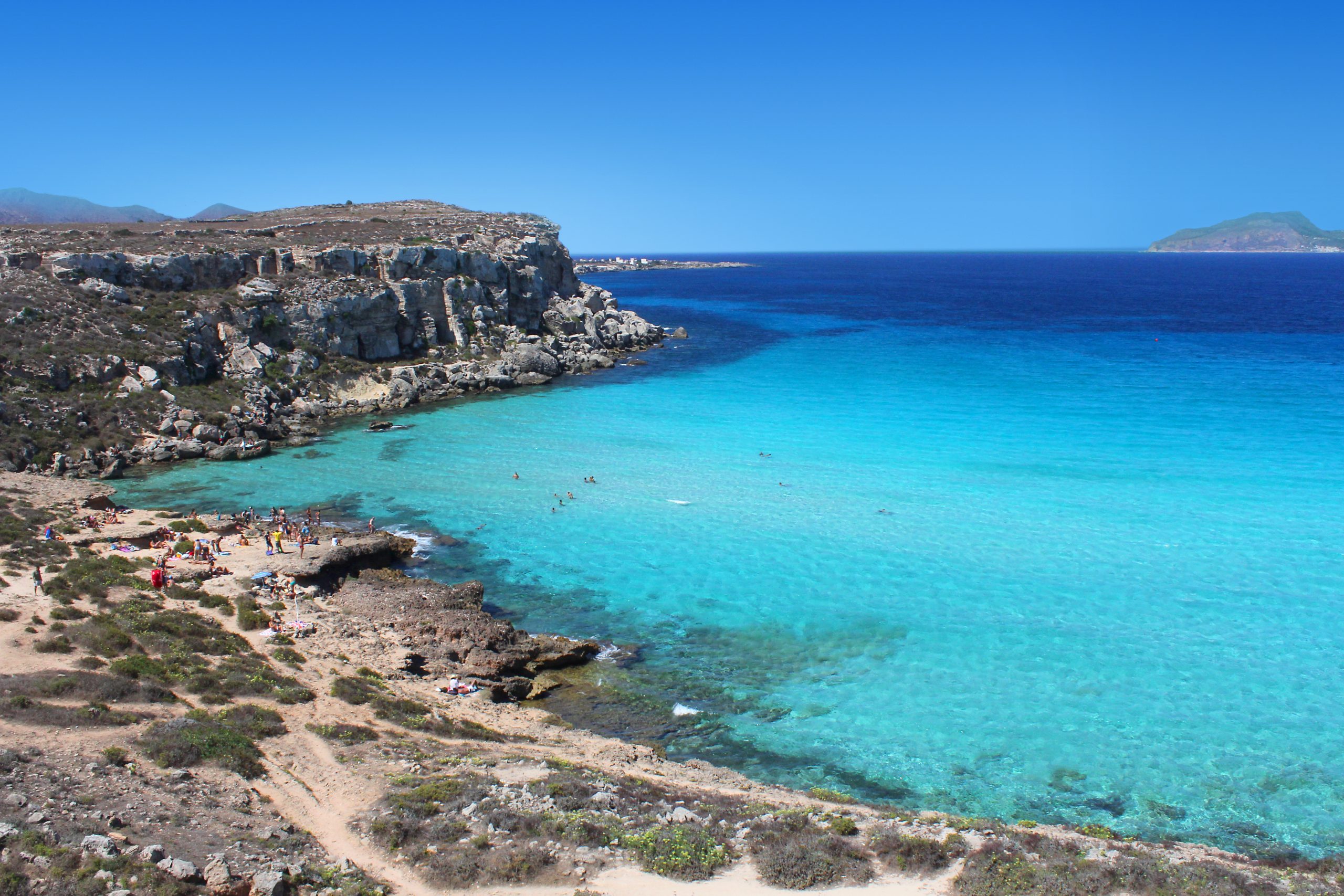
Favignana is a true paradise: unspoilt nature, ancient sites steeped in history and legend, brilliant light and unforgettable colours. In short, the island has everything it takes to tempt a hero to return home! Sailing around the island, just as Nolan’s Ulysses does, is one of the best ways to discover the extraordinary caves that surround it and the hidden coves, including the film’s locations: Cala Rossa and Cala del Bue Marino, chosen for the beauty of their natural pools and the tuff cliffs plunging into the sea; Scalo Cavallo and Cala Pirreca for their deep waters, perfect for diving and snorkelling. If, as well as the film locations, you’re looking for spots more suitable for children, Cala Azzurra and Lido Burrone are ideal for families, with sandy beaches and shallower waters. Unforgettable sunsets? Those viewed from Cala del Pozzo and Punta Sottile.
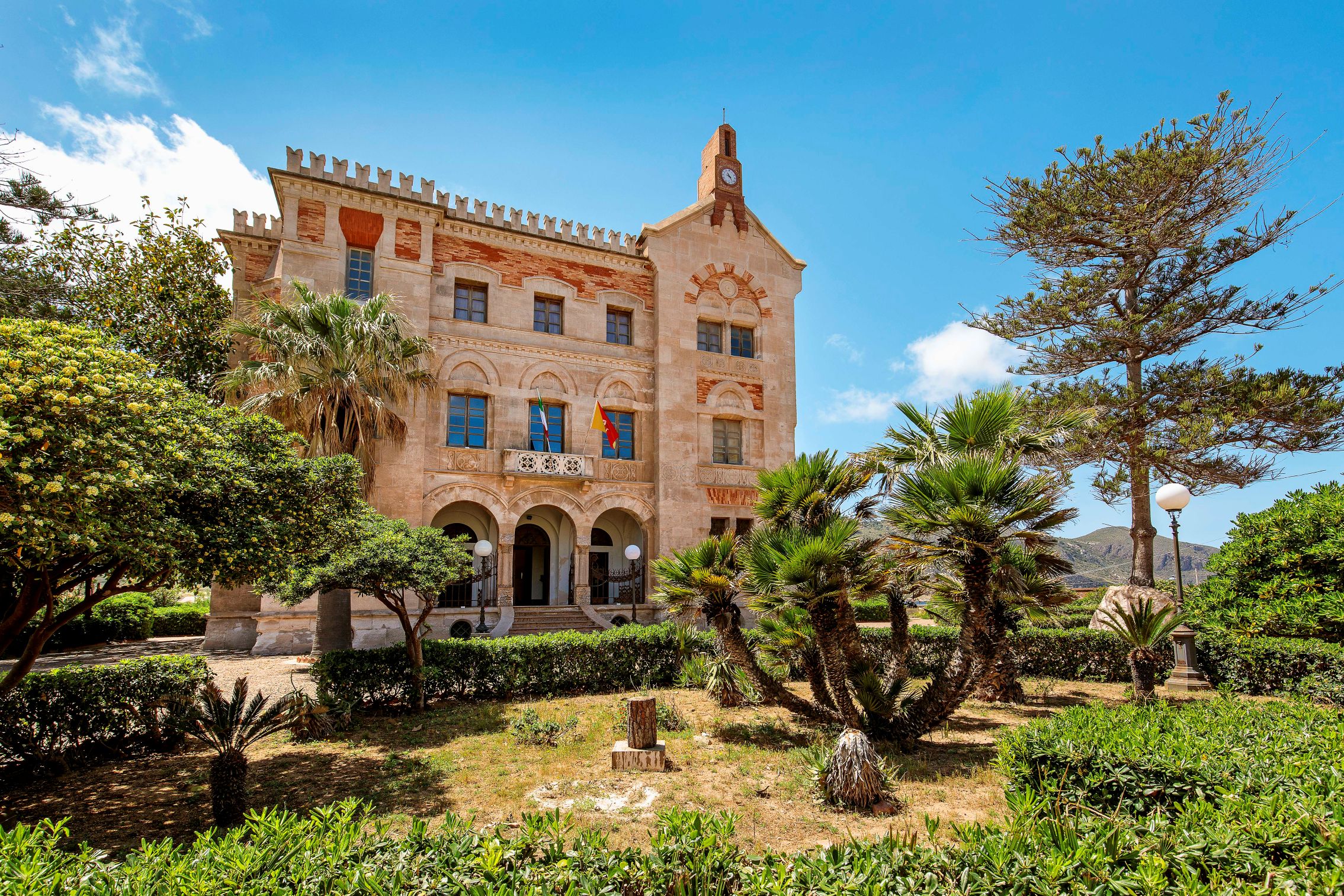
Two further locations where you can encounter Ulysses in his ‘Ithaca’ are the Castle of Santa Caterina, used as the setting for panoramic scenes as the building stands atop the mountain of the same name, part of the ancient system of Saracen watchtowers; and the former Florio Tonnara, a symbol of industrialisation, social identity and the collective ritual that was the tuna slaughter. The facility, now Europe’s largest Museum of the Sea, is a typical example of a Sicilian ‘andata’ tuna trap and reached the peak of its activity under the Florio family.
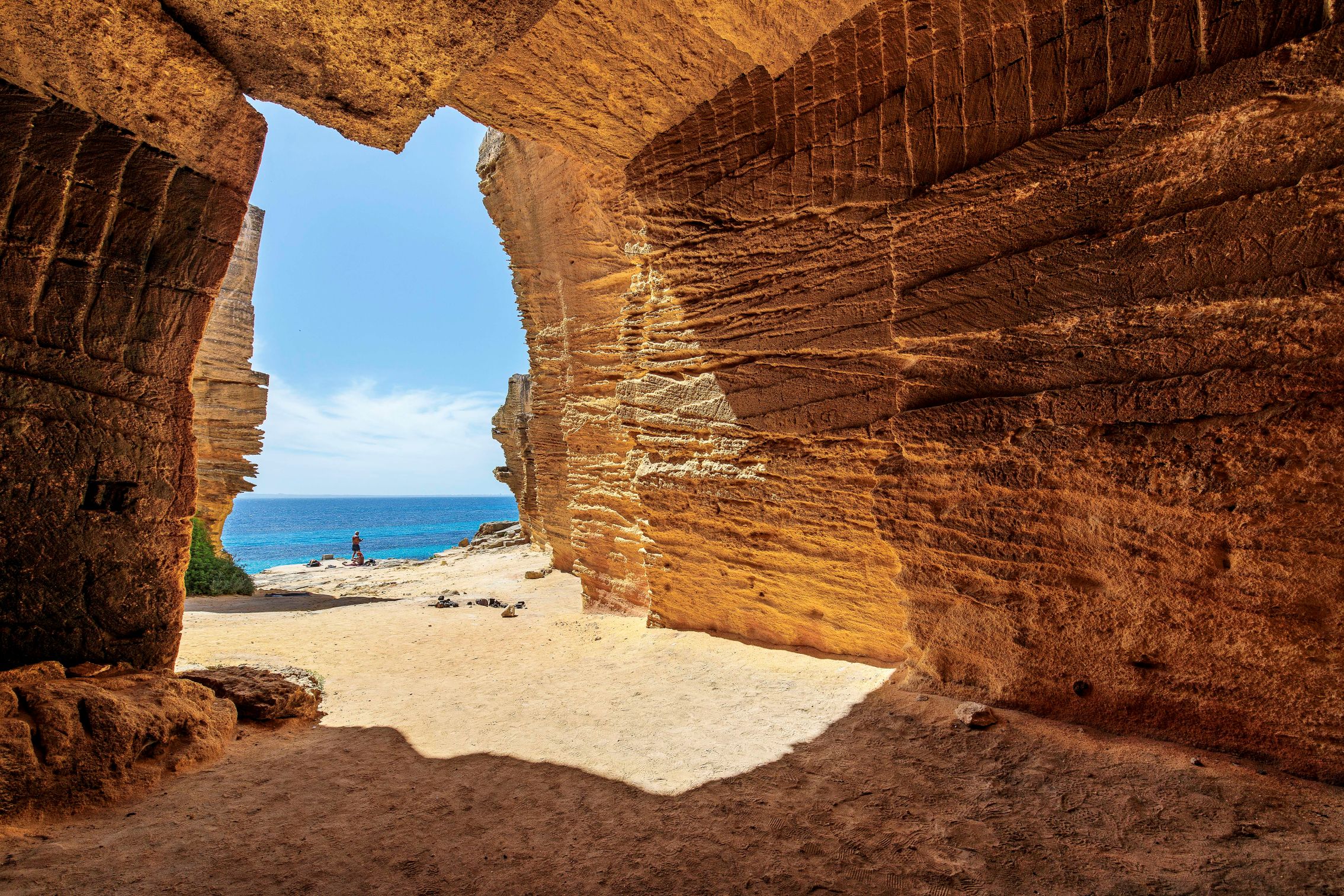
Alongside fishing, the other historic activity underpinning the island’s economy is the quarrying of calcarenite, used in construction and found throughout western Sicily (Monreale Cathedral, a UNESCO World Heritage Site, is built almost entirely from Favignana ‘tufo’). The tuff quarries are works of art in their own right: unique geometric patterns of columns and tunnels unfold like magnificent cathedrals carved out by the hands of the master quarrymen, the ‘pirriatùri’. Some of the disused quarries, right in the heart of the historic centre, have been converted into underground vegetable patches and gardens.
What else is there to visit alongside Favignana? The entire Egadi archipelago – comprising the islands of Levanzo and Marettimo, and the islets of Formica and Maraone – which together form Europe’s largest Marine Protected Area, a perfect film set that combines history, archaeology and unspoilt nature.
Share this content!
LOCATION
YOU MAY ALSO BE INTERESTED
Cinema and Sicily
Sicily has always been a great open-air film set. From the countryside to the sea, from the cities of art [...]
Santa Margherita del Belice
Nestled in the Belice Valley, in the province of Agrigento, among excellent prickly pears, which have found their natural habitat [...]
Young Sherlock in Palermo: the series’ filming locations
From The Leopard to The Lions of Sicily, Palermo has always been an open-air film set, making it one of [...]