
Arabic-Norman Palermo and the Cathedrals of Cefalù and Monreale
Detail
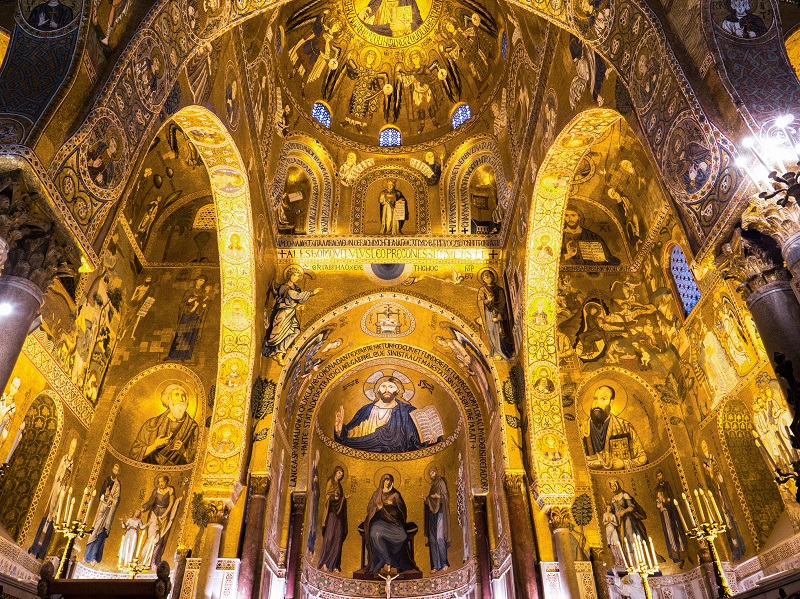
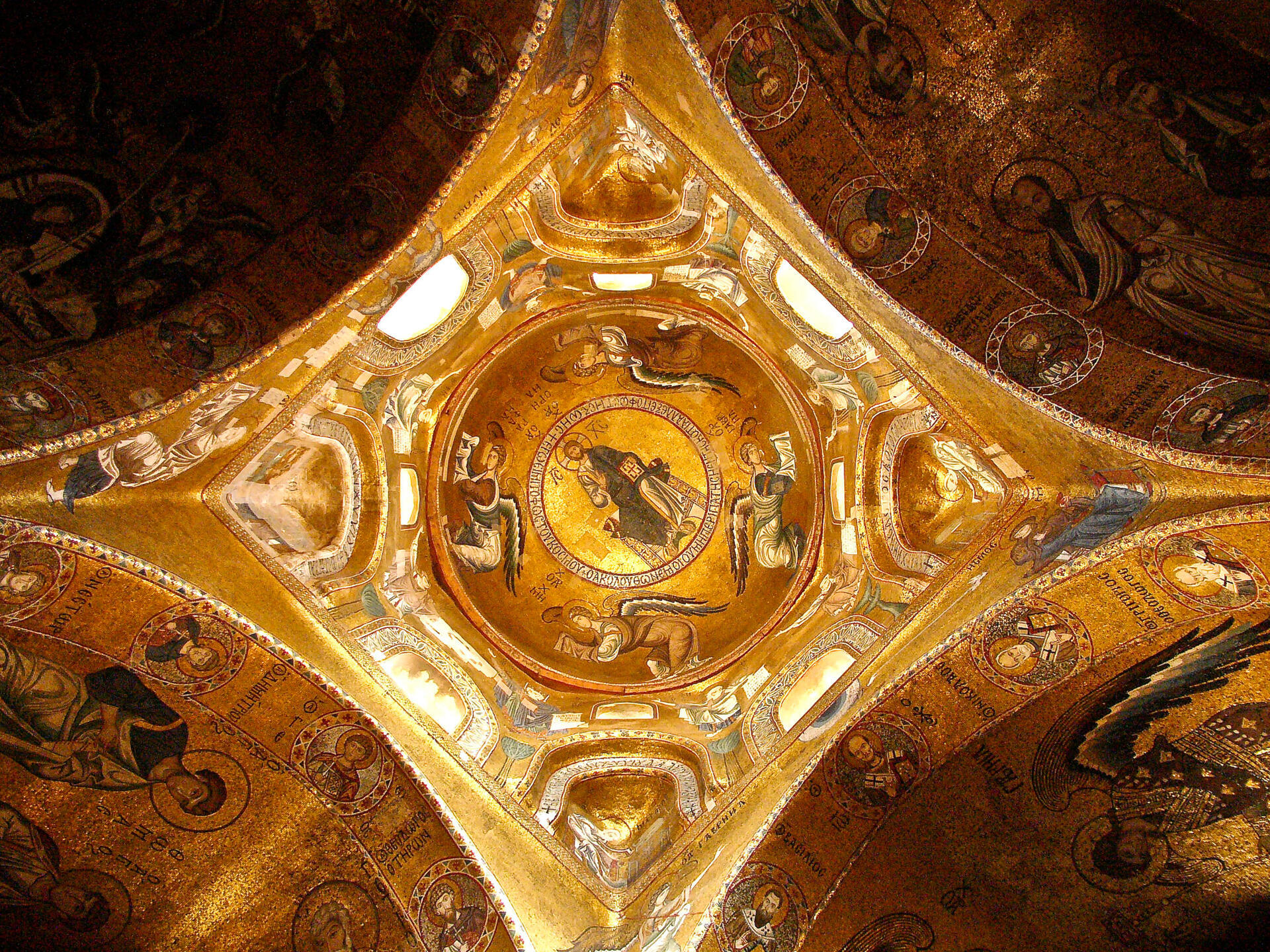
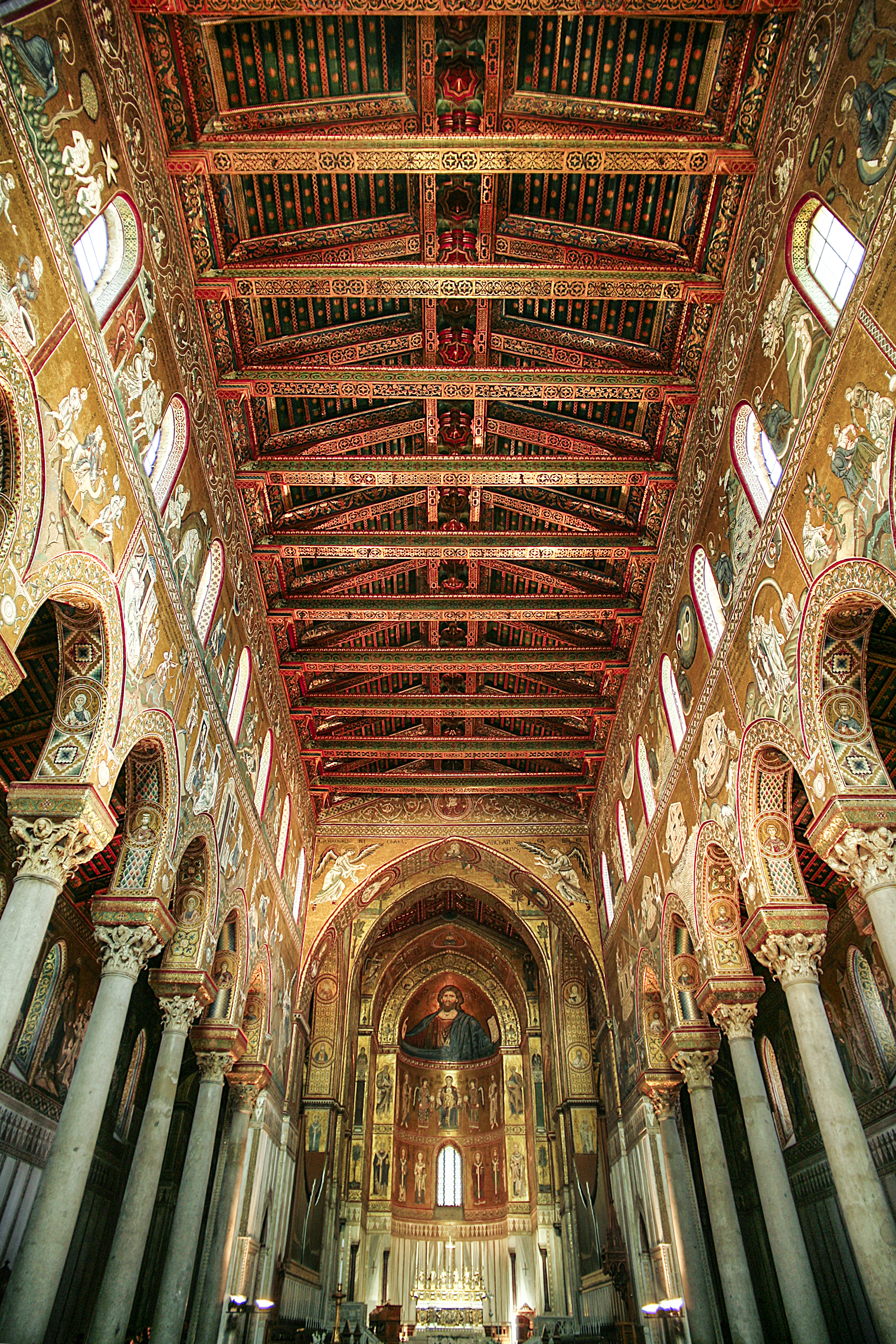
Since 2015, the ‘Arab-Norman Palermo and the Cathedrals of Cefalù and Monreale’ circuit has been one of Sicily’s most popular and most visited UNESCO World Heritage itineraries (a UNESCO serial site) and comprises nine civil and religious monuments built during the Norman Kingdom of Sicily (1130–1194). This architectural itinerary represents the highest expression of medieval cultural syncretism, where Western-Latin, Byzantine and Islamic cultures are fused into a single style. What are its main defining features? The presence of vast areas of Byzantine mosaics (decorations in gold tiles covering the apses, domes and floors of the churches, depicting typical Eastern iconography); muqarnas ceilings (three-dimensional honeycomb structures made of wood, typical of Islamic architecture); geometric patterns and inlaid marble (inspired by Roman and Islamic art for the floors and external walls).

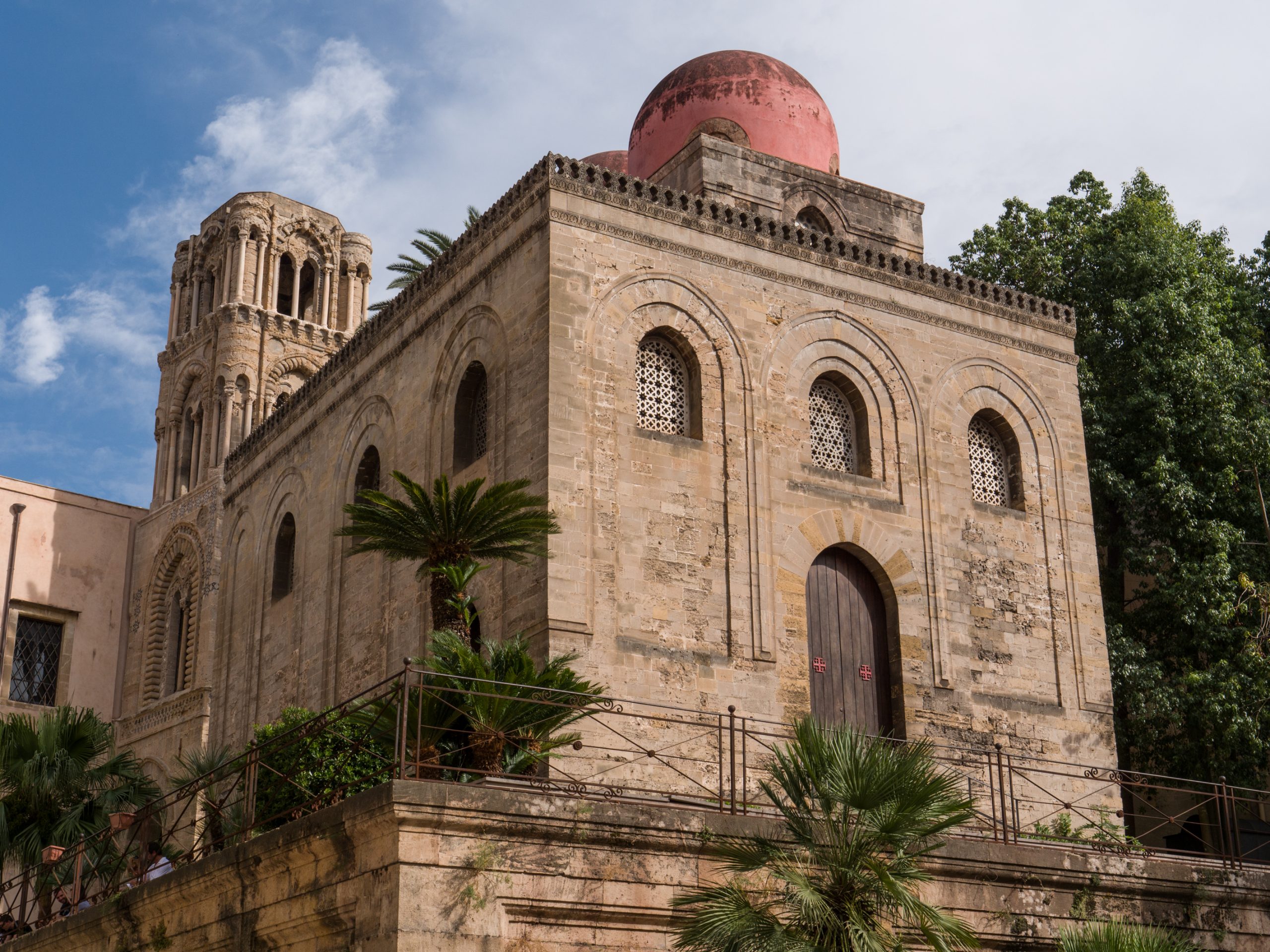
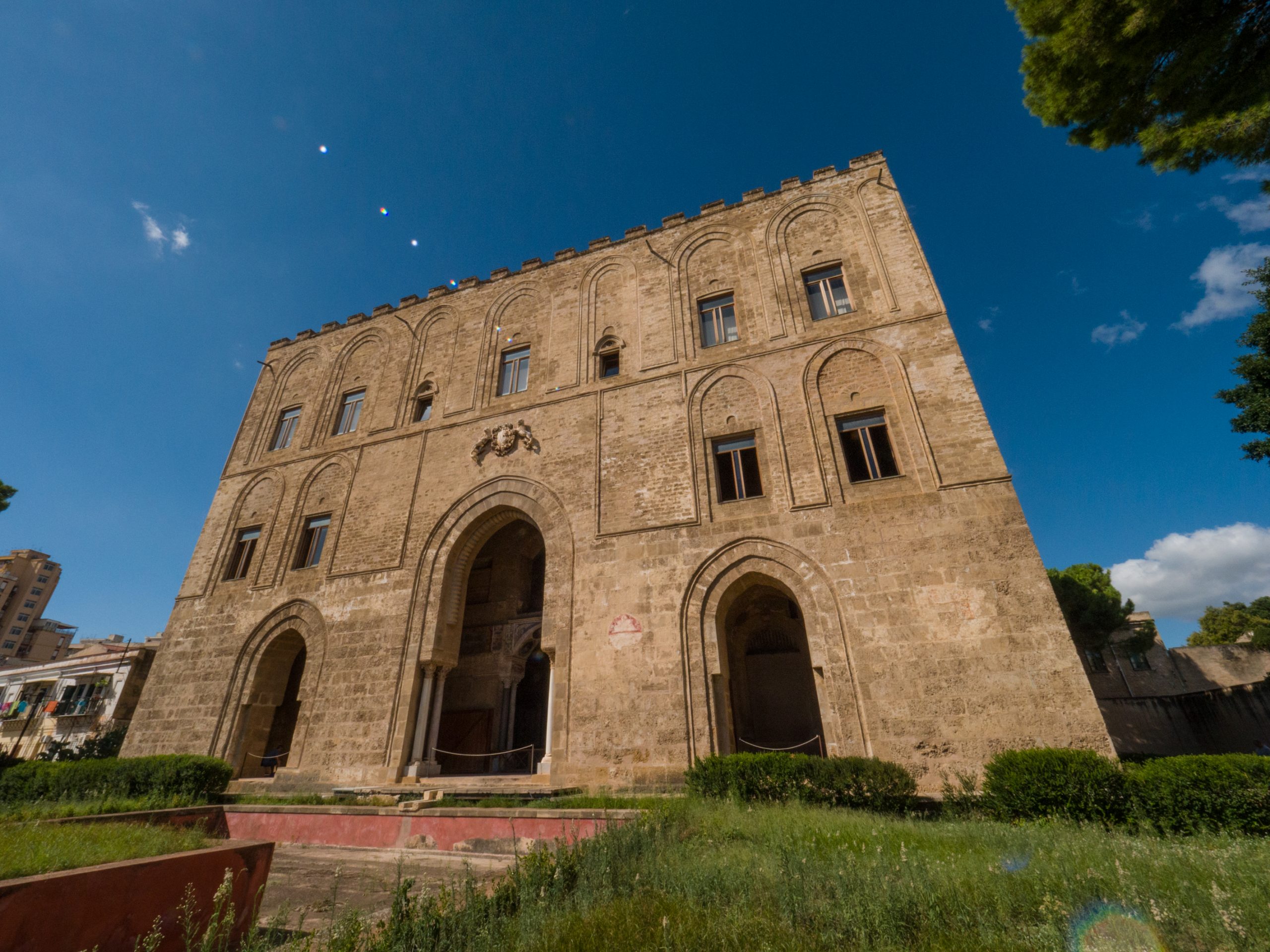

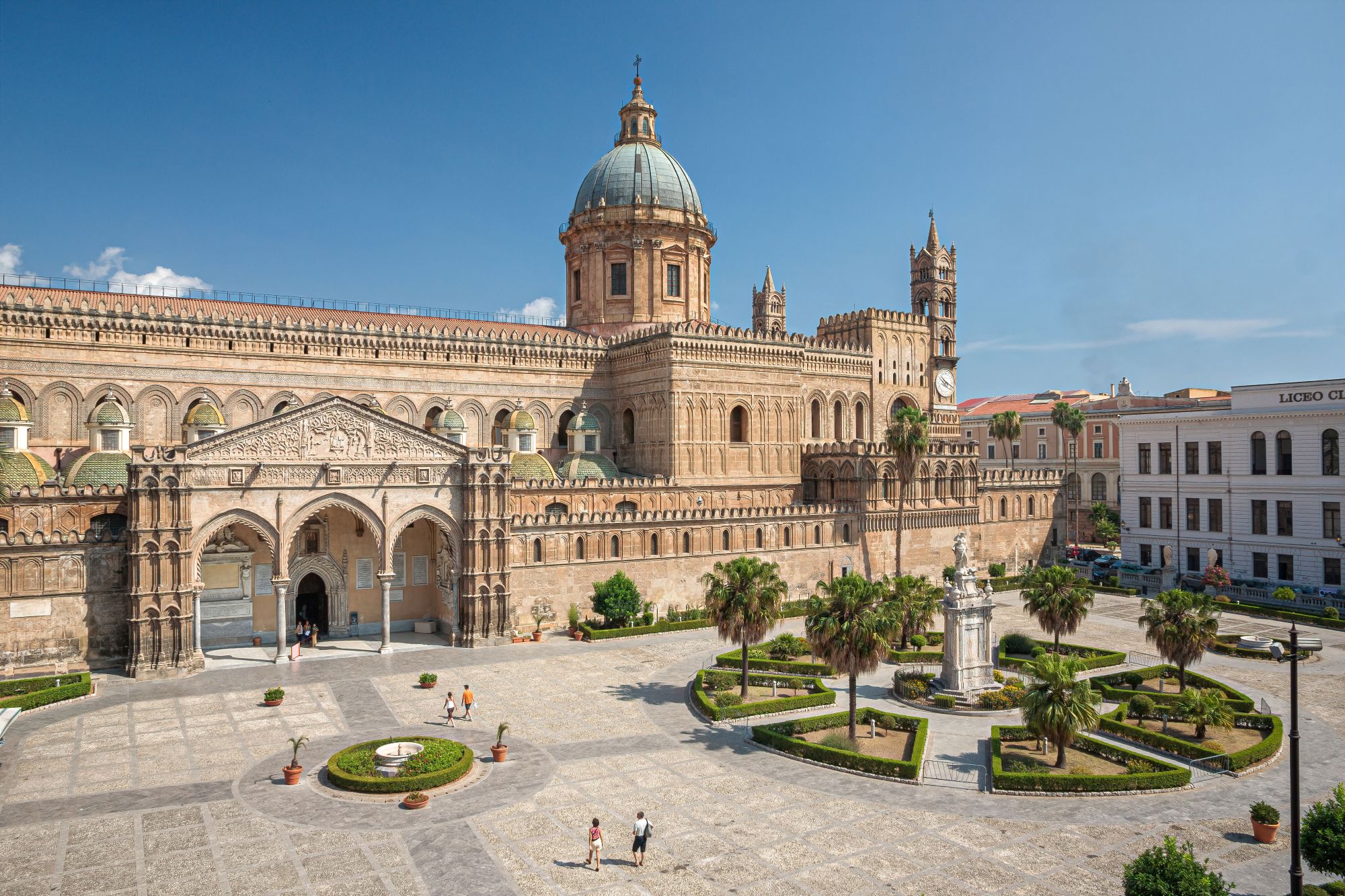
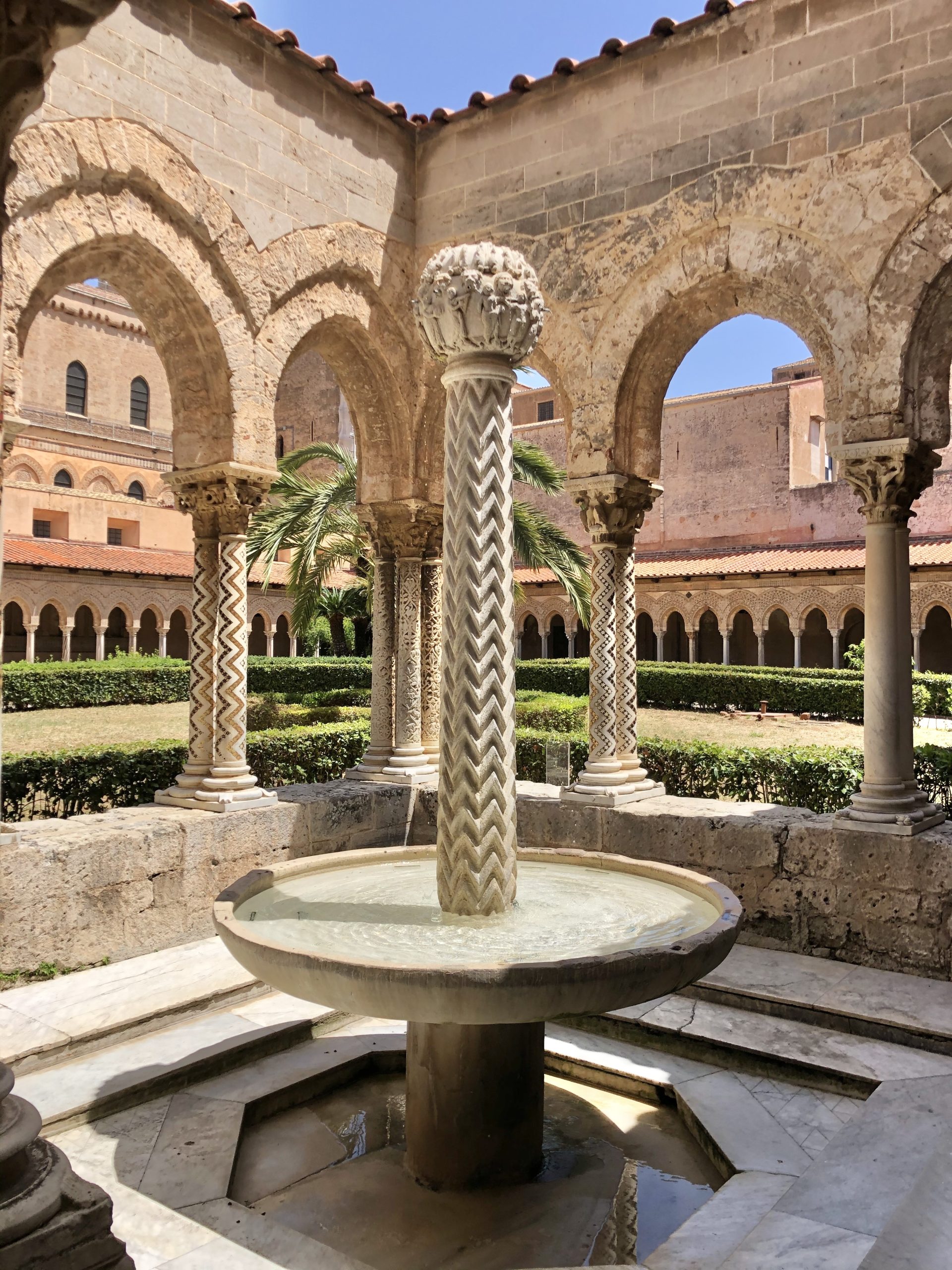
Let’s start with Palermo and the sites which, as we stroll through the historic centre and the neighbourhoods most representative of this style, we might describe as ‘Arab-Norman’.
- Palermo Cathedral: founded in the 12th century, it combines various architectural styles developed over the centuries and houses imperial and royal tombs, including that of Frederick II.
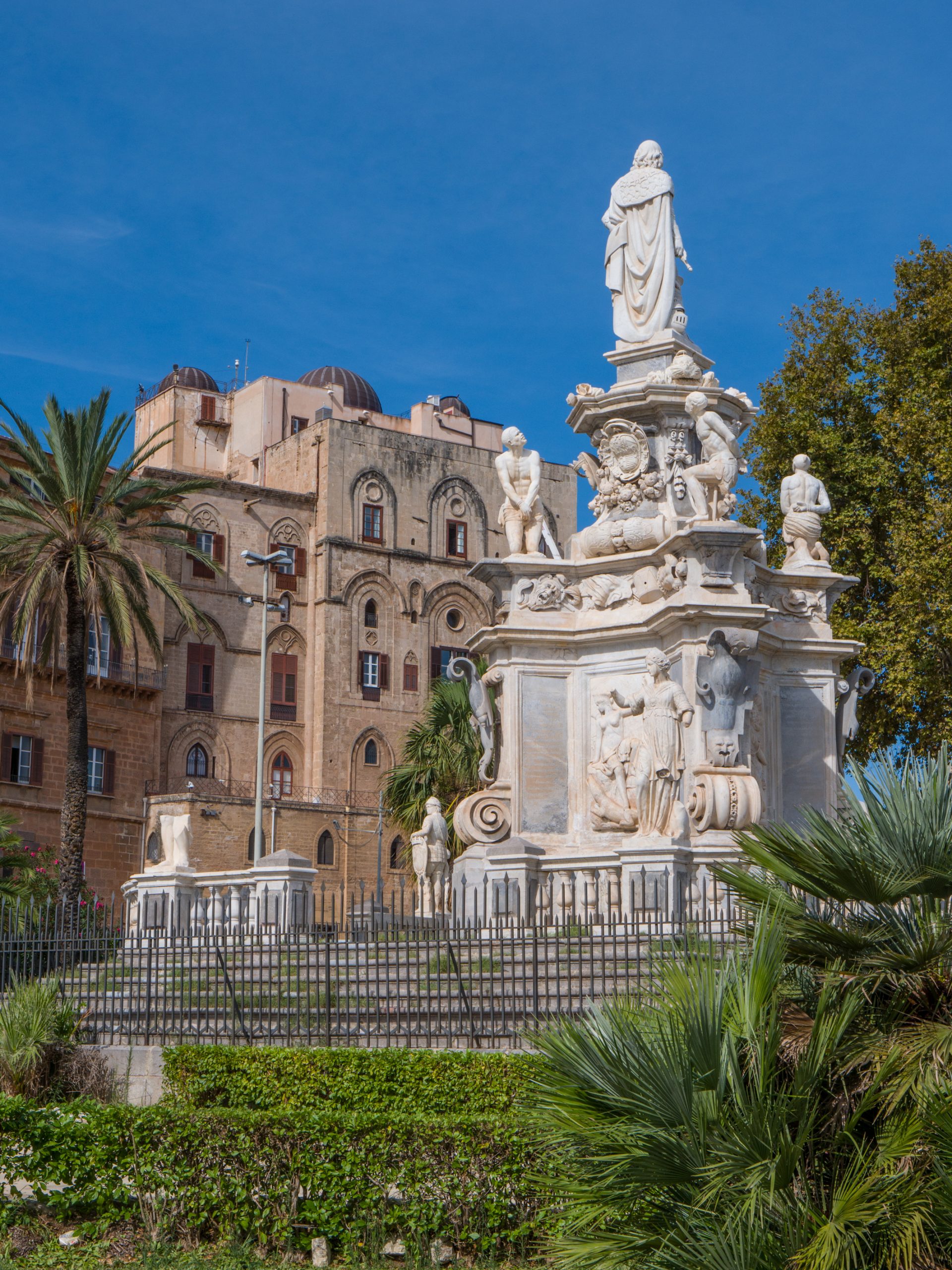
- The Royal Palace (or Palazzo dei Normanni) and the Palatine Chapel: this is the former royal residence, home to the magnificent Palatine Chapel, famous for its Byzantine mosaics, muqarnas wooden ceiling and Roman marble floors.
- Church of San Giovanni degli Eremiti: famous for its unmistakable red domes, clearly of Islamic origin, set within a delightful Mediterranean garden.
- Church of Santa Maria dell’Ammiraglio (also known as ‘La Martorana’): a masterpiece featuring a Greek cross plan, domes and splendid Byzantine mosaics.
- Church of San Cataldo: a remarkable example of architecture blending cubic forms, blind battlements and three red hemispherical domes.
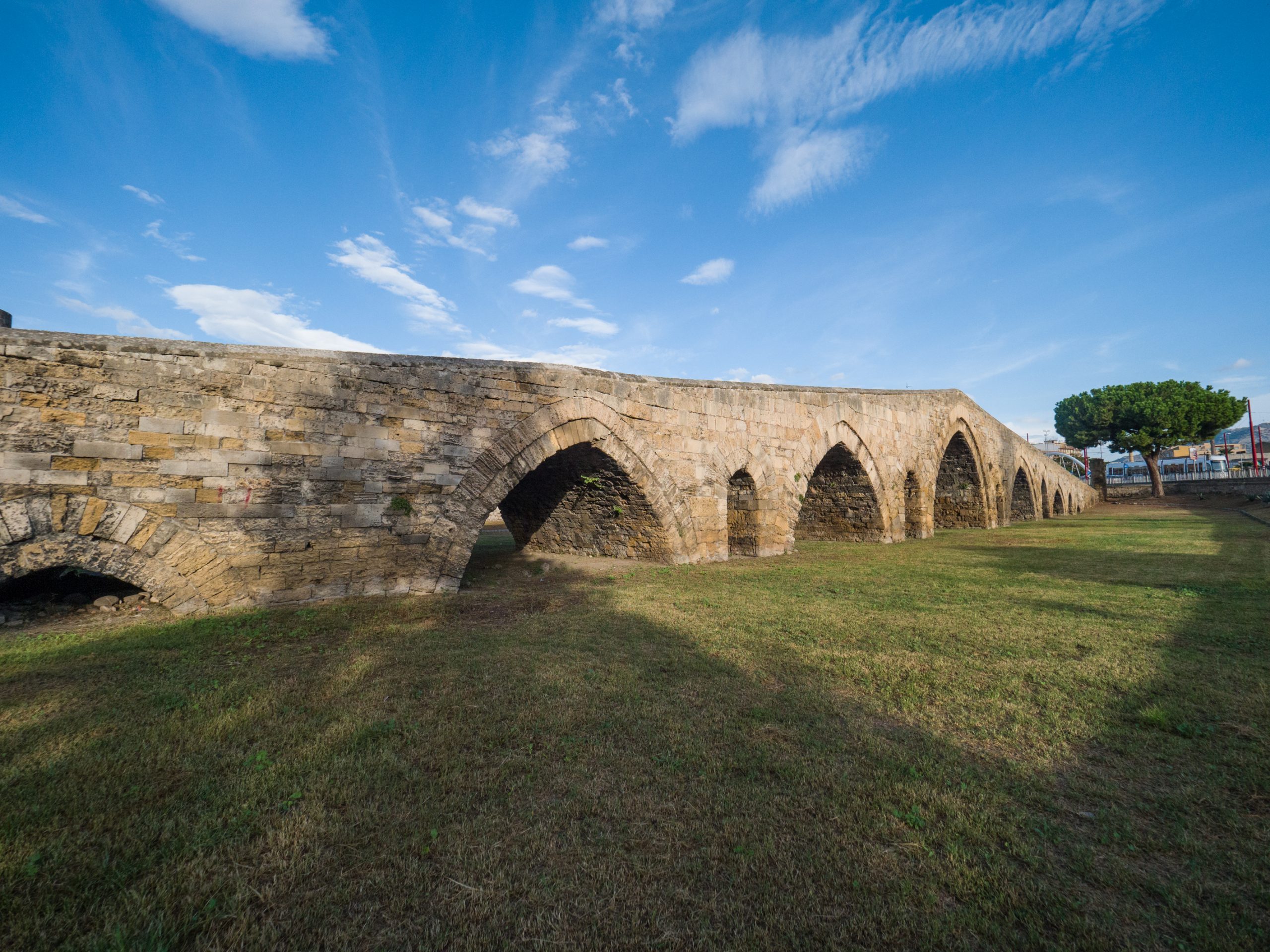
- Admiral’s Bridge: one of the first twelve-arched stone bridges built in Europe in the 12th century, commissioned by George of Antioch.
- Zisa Castle: a leisure residence and pleasure palace for the Norman kings, inspired by the architectural styles of Islamic palaces.
Finally, travelling between Cefalù and Monreale, we complete the ‘Arab-Norman’ itinerary with a visit to two marvellous cathedrals:
- Cefalù Cathedral: founded by Roger II in 1131, it overlooks the coastal town with its imposing towers and houses the famous Mosaic of Christ Pantocrator in its apse.
- Monreale Cathedral: famous throughout the world for the vast expanse of golden mosaics inside (over 6,000 square metres) and for its splendid Cloister, adorned with paired columns.
Share this content!
LOCATION
CATEGORIES
YOU MAY ALSO BE INTERESTED
Enna Cathedral
In Enna, art history lovers will not be able to resist the call of the majestic Cathedral that dominates the [...]
The Astronomical Clock of Messina
The Astronomical Clock of Messina is one of Europe’s most astonishing wonders, a masterpiece that brings together engineering, art and [...]
In the footsteps of Ulysses in Favignana, the setting for Nolan’s film
Sicily, as we know, is an open-air film set and one of the regions most loved by film tourism enthusiasts. [...]