
Sicilian majolica tiles, colors and patterns of the Mediterranean
Details
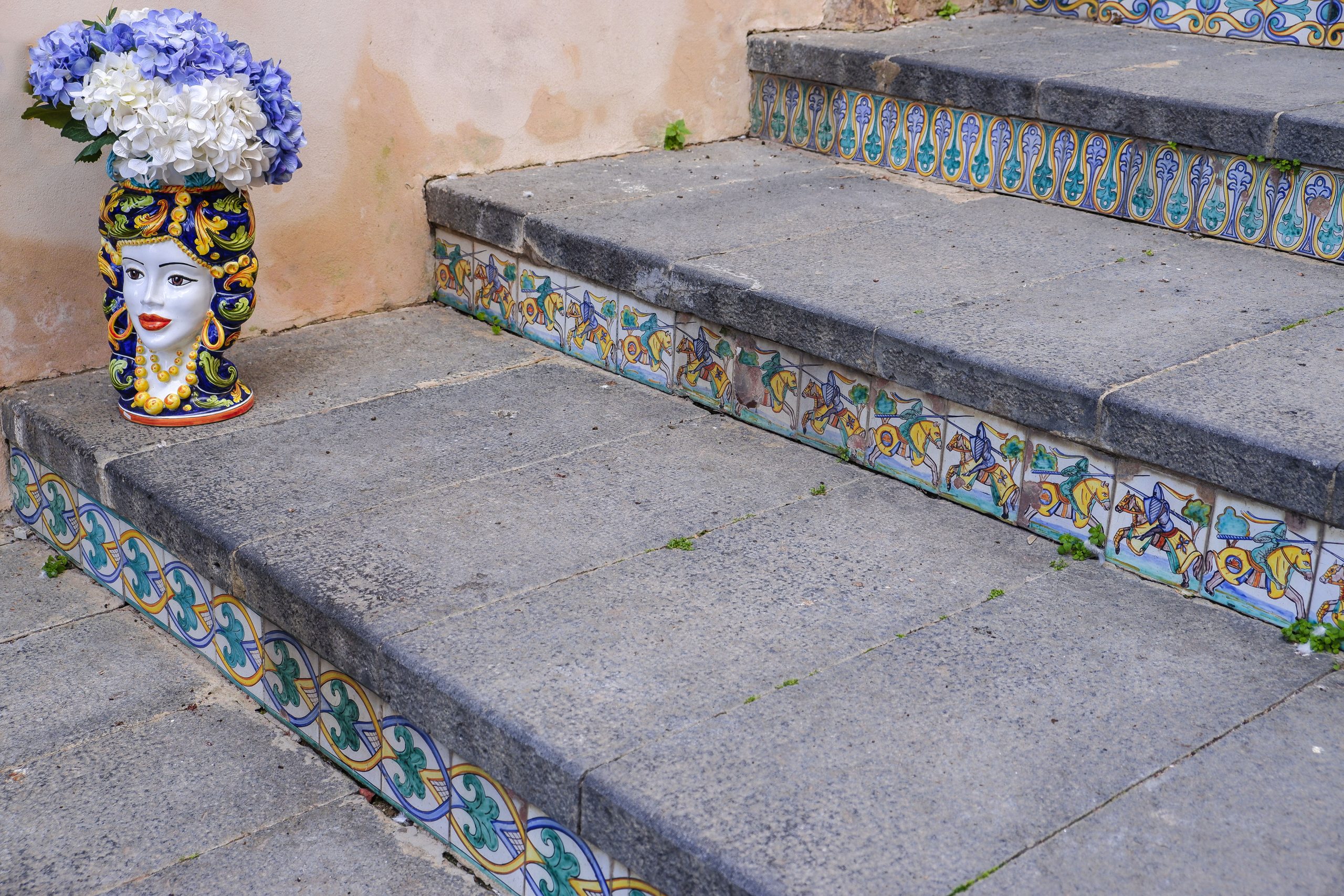
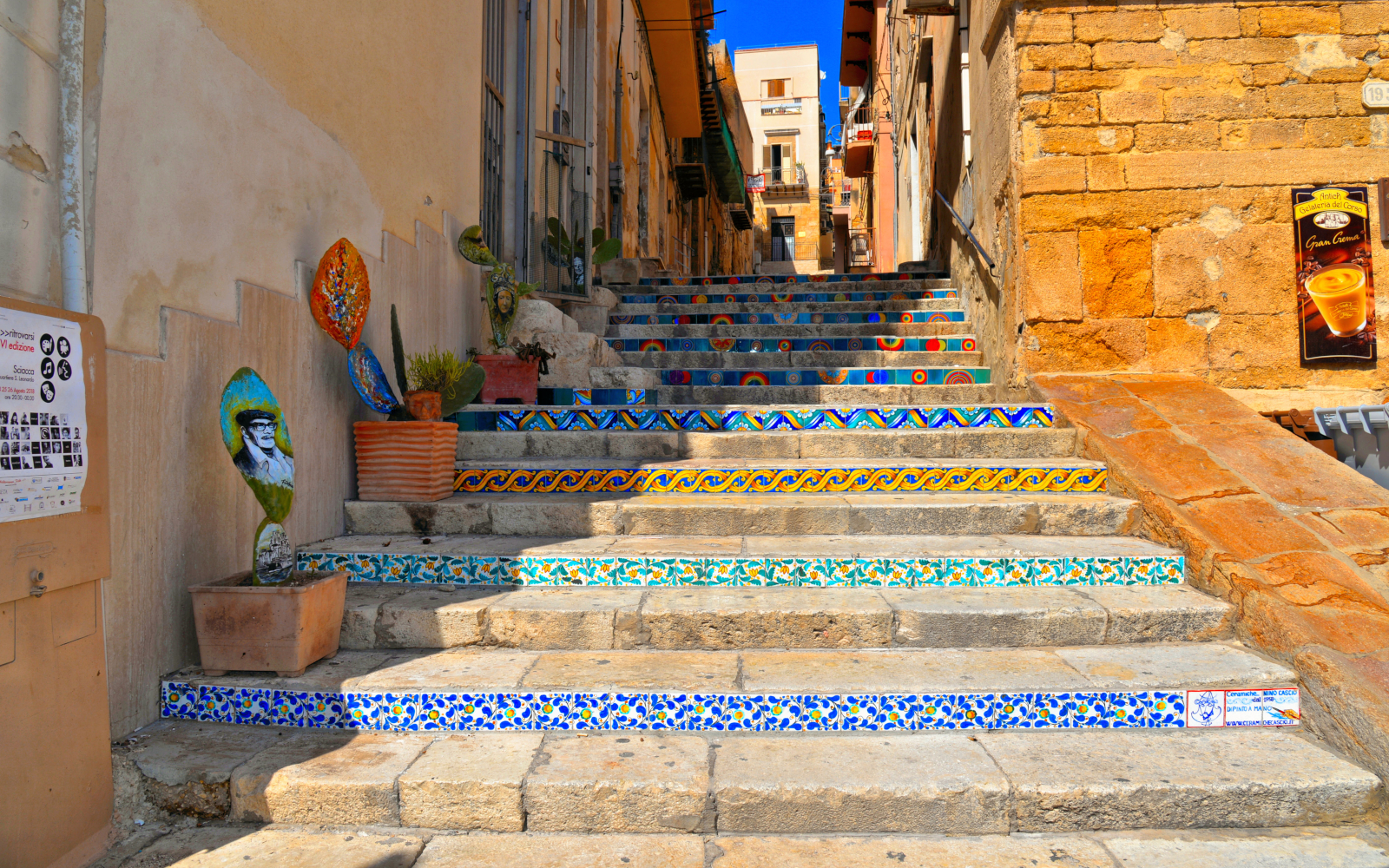
Vibrant, bright, and rich in ornamental motifs, Sicilian majolica tiles are one of the most recognizable expressions of Mediterranean ceramic art. Plates, tiles, panels, and coverings recount centuries of cultural encounters, from Arab heritage to Spanish and Baroque influences, transforming clay into decorative surfaces with great visual impact. Widespread in historic centers, architecture, and everyday objects, majolica tiles are an integral part of the island’s landscape and identity.
One of the most symbolic places of this tradition is Caltagirone, the capital of artistic ceramics, where majolica production has been handed down for centuries and continues to interact with contemporary design. Today, Sicilian majolica is an expression of Italian craftsmanship in the furniture and artistic craftsmanship sector, a synthesis of manual skill, history, and Mediterranean creativity.
A ceramic art combining history, architecture, and design
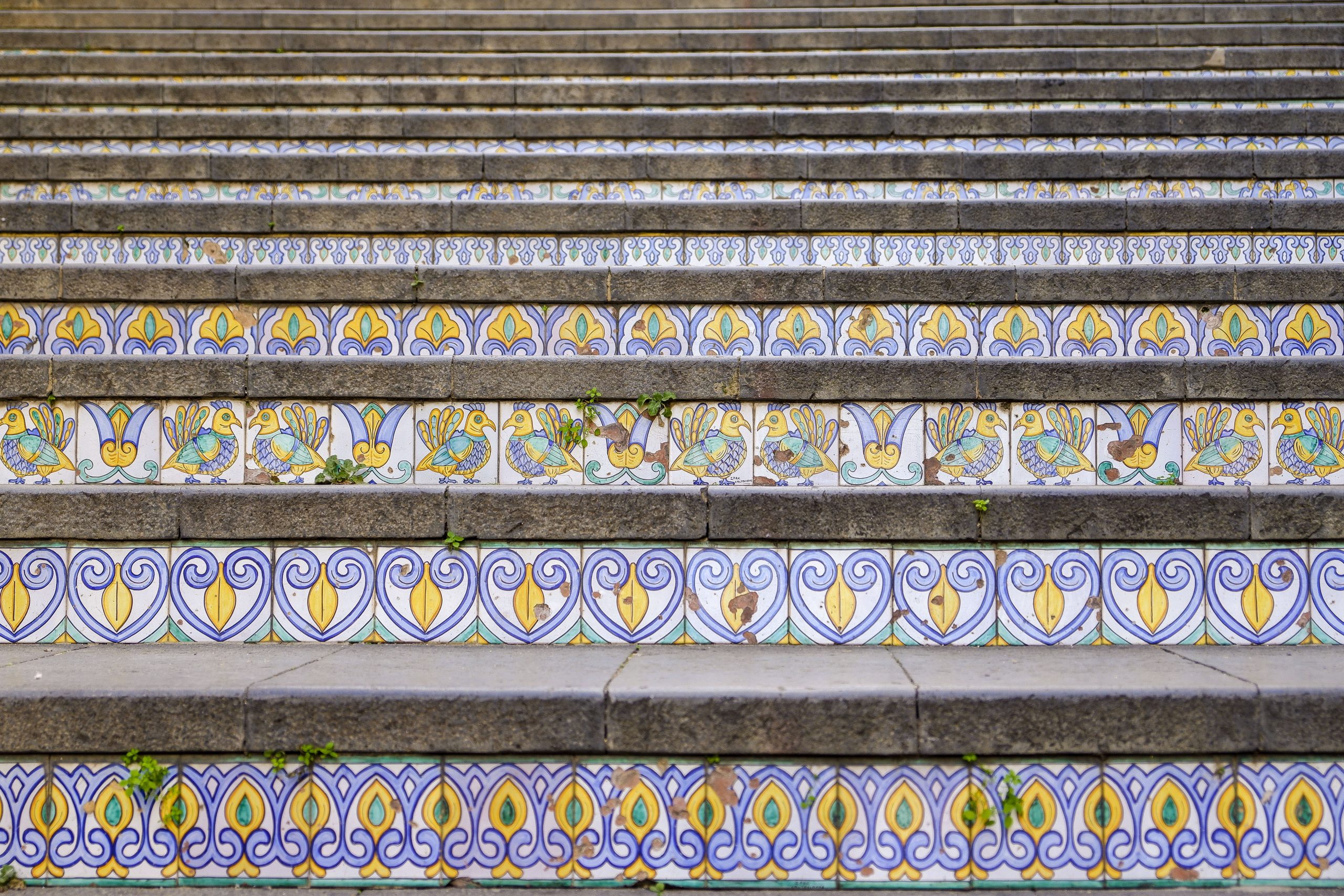
Sicilian majolica was born from the encounter between Mediterranean ceramic techniques and the cultures that have passed through the island over the centuries, particularly during Islamic and then Spanish rule, when the use of colored glazes and ornamental motifs to cover architectural surfaces and domestic objects became widespread. Made of terracotta coated with tin glaze and painted by hand, majolica tiles are distinguished by their intense color palette—blue, yellow, green, turquoise—and decorations ranging from geometric patterns and arabesques to floral and figurative motifs. Used in floors, staircases, facades, fountains, and furnishings, they have helped define the visual imagery of Sicily, transforming public and private spaces into narrative surfaces. Even today, in the island’s ceramic workshops, majolica is produced according to traditional techniques, but reinterpreted in a contemporary key for architecture and interior design. This dialogue between past and present makes Sicilian majolica tiles not only decorative elements, but living testimonies of cultural identity and symbols of Made in Italy that combine craftsmanship, aesthetics, and Mediterranean memory.
Sicilian majolica in architecture and everyday life
Sicilian majolica tiles are not just decorative objects, but structural elements of the island’s architectural landscape and everyday life. From the cladding of Baroque churches to the floors of historic buildings, from inner courtyards to public fountains, these glazed surfaces have transformed spaces into visual narratives, combining function and beauty. A famous example is the spectacular Staircase of Santa Maria del Monte in Caltagirone, where the decorated risers synthesize centuries of Sicilian ceramic styles and motifs. In traditional homes, majolica plates, tiles, and panels have accompanied domestic life as objects of use and representation, signs of taste and family identity. Today, this widespread presence continues in contemporary homes and interior design projects, where Sicilian majolica is reinterpreted as cladding, accessories, or works of art, keeping alive the relationship between craftsmanship, architecture, and Mediterranean culture that defines Made in Italy.
Share this content!
LOCATION
YOU MAY ALSO BE INTERESTED
Caltagirone Ceramics
Caltagirone Ceramics are one of Sicily's most iconic artistic expressions. Walking through the streets of the city, every corner tells [...]
Sicilian Craftsmanship: the Matrangela
Among the most fascinating expressions of Sicilian craftsmanship is the Matrangela, a winged female figure that unites myth, art, and [...]
Souvenirs from Sicily
Choosing a souvenir is much more than just buying an object: it is a way to continue experiencing the atmosphere [...]