
Syracuse and the Necropolis of Pantalica
Detail
The site “Syracuse and the Necropolis of Pantalica” is one of the most extraordinary cultural and natural complexes in Sicily and the entire Mediterranean. Recognized as a UNESCO World Heritage Site in 2005, it represents the perfect combination of the legacy of Greek civilization, the history of prehistoric Sicilian communities, and some of the most impressive landscapes in Europe.
It is a “serial” site made up of two distinct yet deeply connected locations: the ancient city of Syracuse, one of the great capitals of Magna Graecia, and the rock-cut Necropolis of Pantalica, symbol of prehistoric Sicily.
Syracuse: the power of Magna Graecia overlooking the sea
Founded in 734 BC, Syracuse became one of the greatest and wealthiest cities of the ancient world, rivaling Athens in political, cultural and military influence. Today, its heritage is still visible in its extraordinary monuments and archaeological sites.
Top UNESCO highlights in Syracuse
-
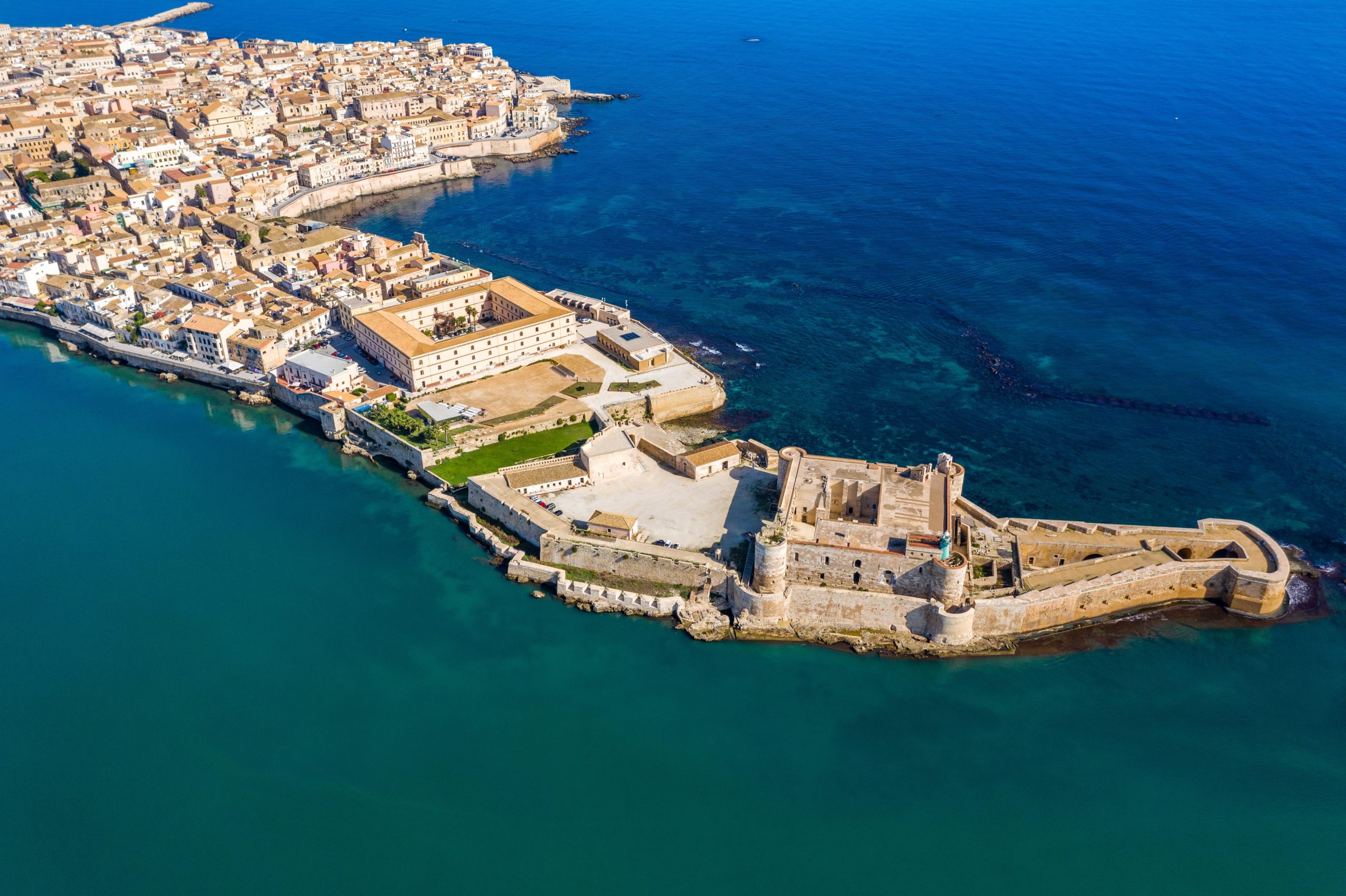
Ortigia, the island-city where myth, history and Baroque art converge
-
The Greek Theatre, one of the largest in antiquity
-
The Ear of Dionysius, a grotto famous for its acoustics
-
The Temple of Apollo and the Cathedral, built over an ancient Doric temple
-
Castello Maniace, the Norman fortress overlooking the sea
The Necropolis of Pantalica: a prehistoric city of the dead in nature
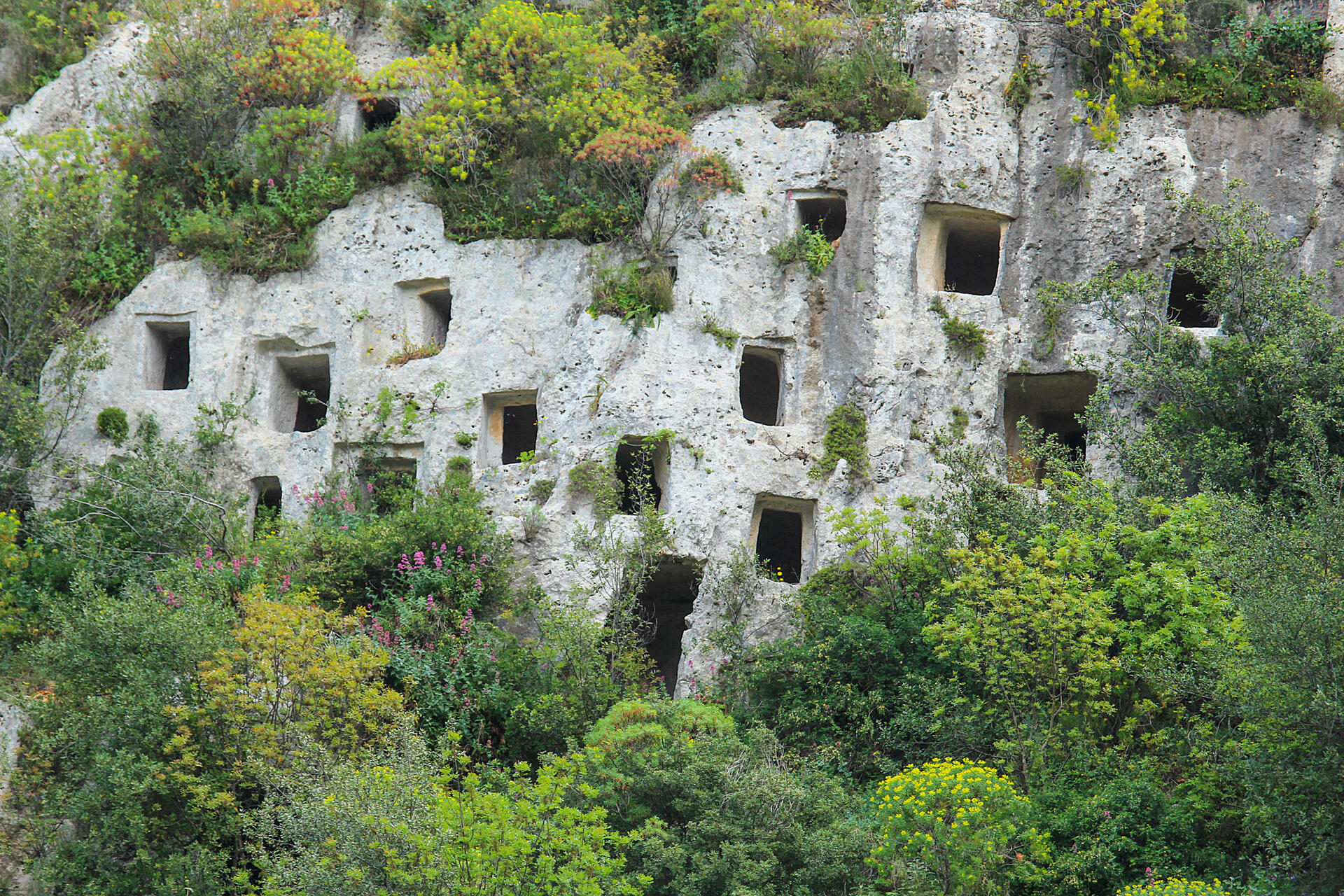
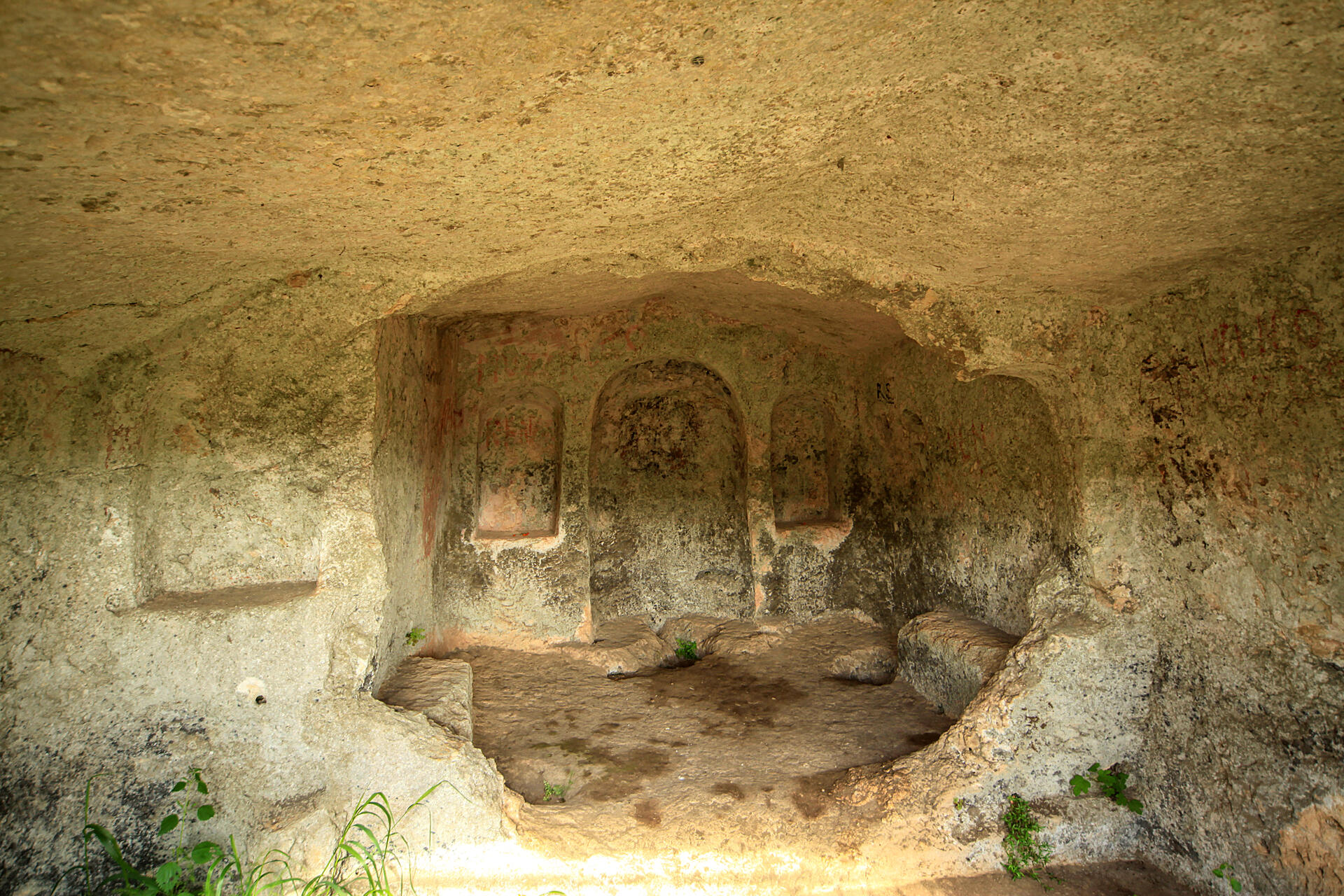
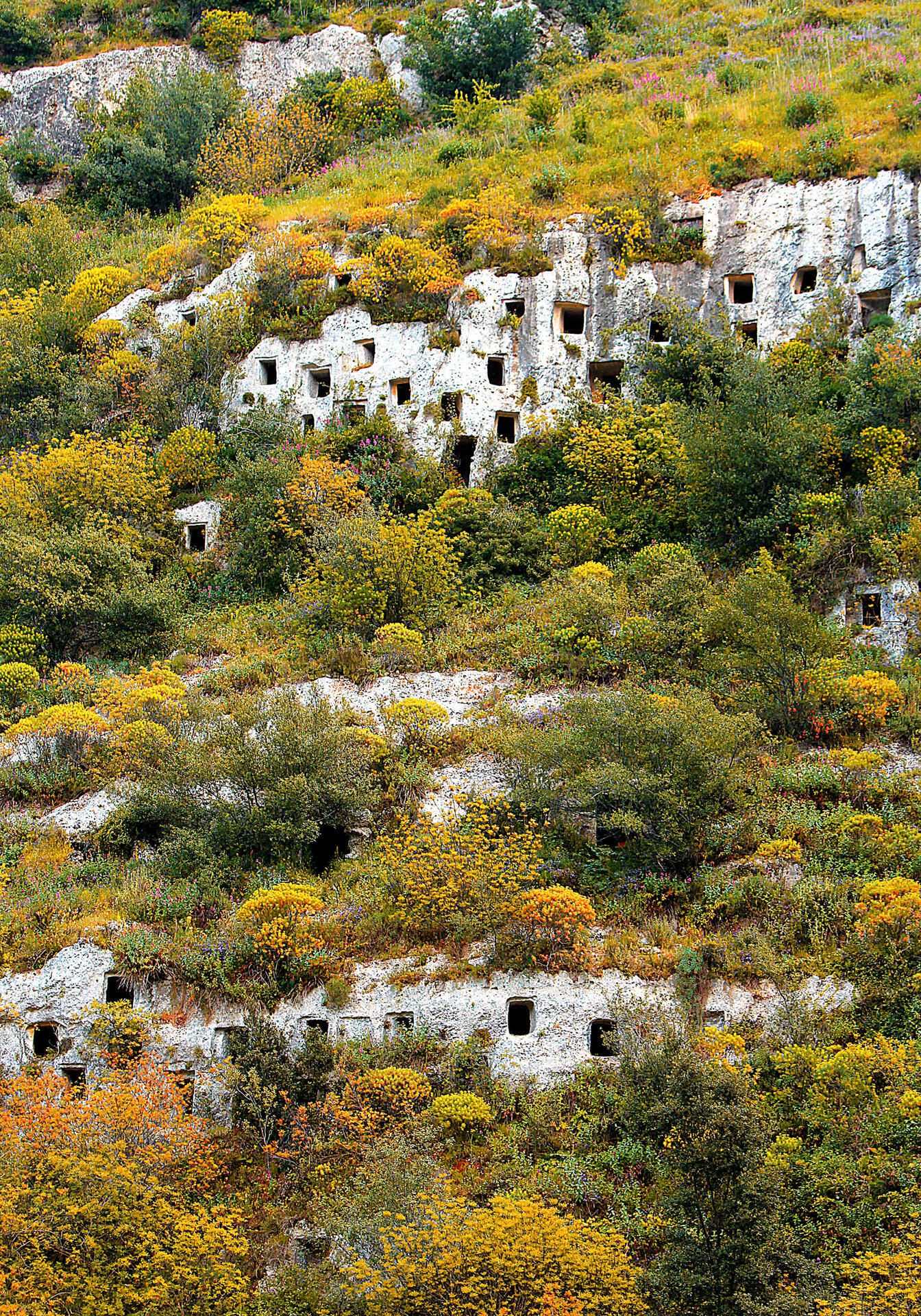
About 40 km from Syracuse, the Necropolis of Pantalica spreads across the canyons of the Anapo and Calcinara rivers. With more than 5,000 rock-cut tombs dating between the 13th and 8th centuries BC, it is one of the largest funerary complexes in the Mediterranean.
A dramatic landscape of cliffside tombs, Mediterranean vegetation, and absolute silence makes Pantalica an unforgettable archaeological and natural experience.


Share this content!
LOCATION
PLACES
CATEGORIES
YOU MAY ALSO BE INTERESTED
Caltagirone
"Caltagirone (...) The tuffaceous scenery of the town unfolds, full of houses and palazzi, punctuated by the hundred bell towers [...]
The Marsala Salt Pans
Discovering the historic centre of Marsala takes just a few hours. Visiting the Saline (Salt Pans), on the other hand, [...]
The villages of Sicily, among the most beautiful in Italy
Sicily's villages, the most beautiful in Italy, reveal the face of a Sicily that is less well-known and perhaps for [...]