
The Astronomical Clock of Messina
description
The Astronomical Clock of Messina is one of Europe’s most astonishing wonders, a masterpiece that brings together engineering, art and symbolism in a single, powerful visual narrative.
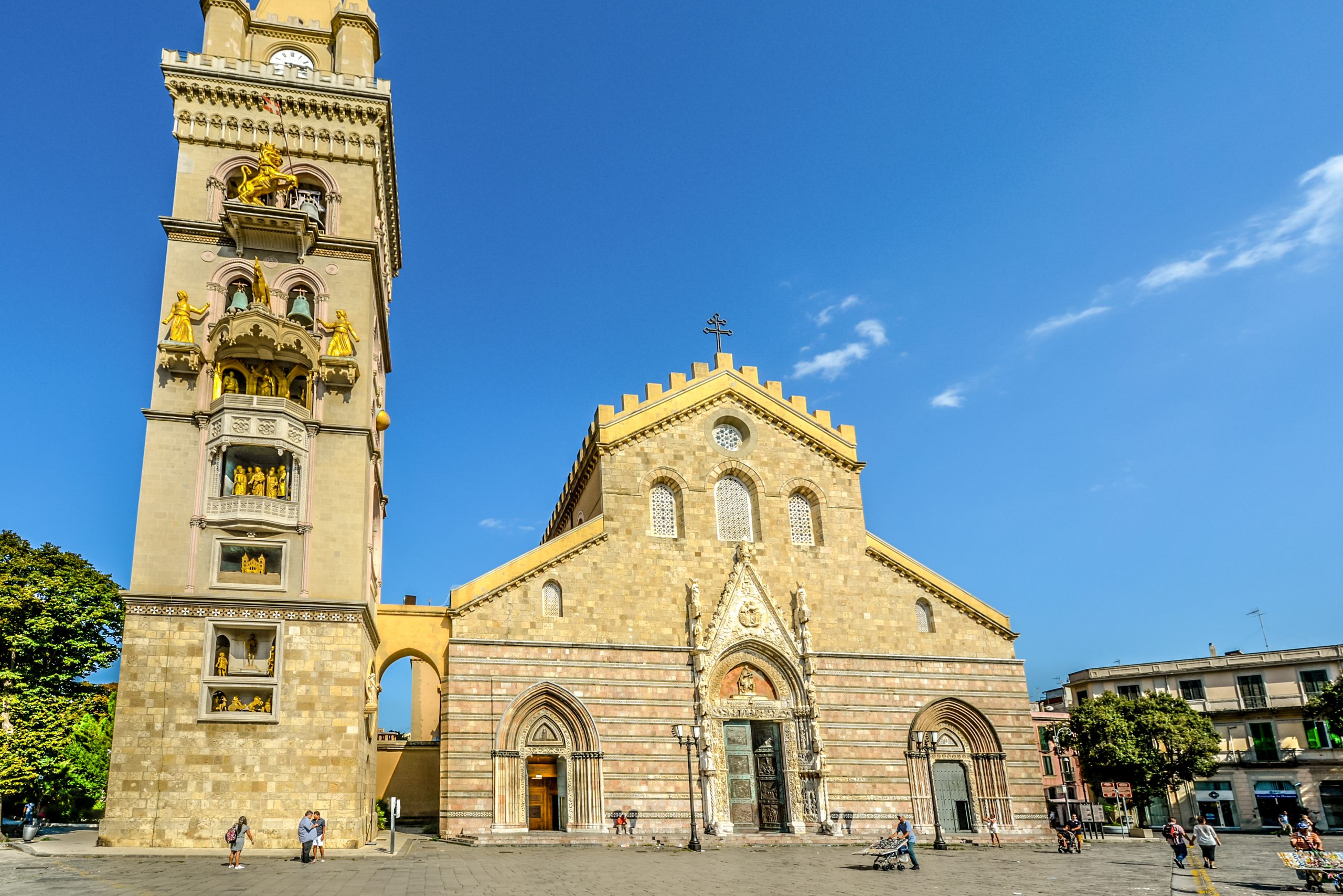
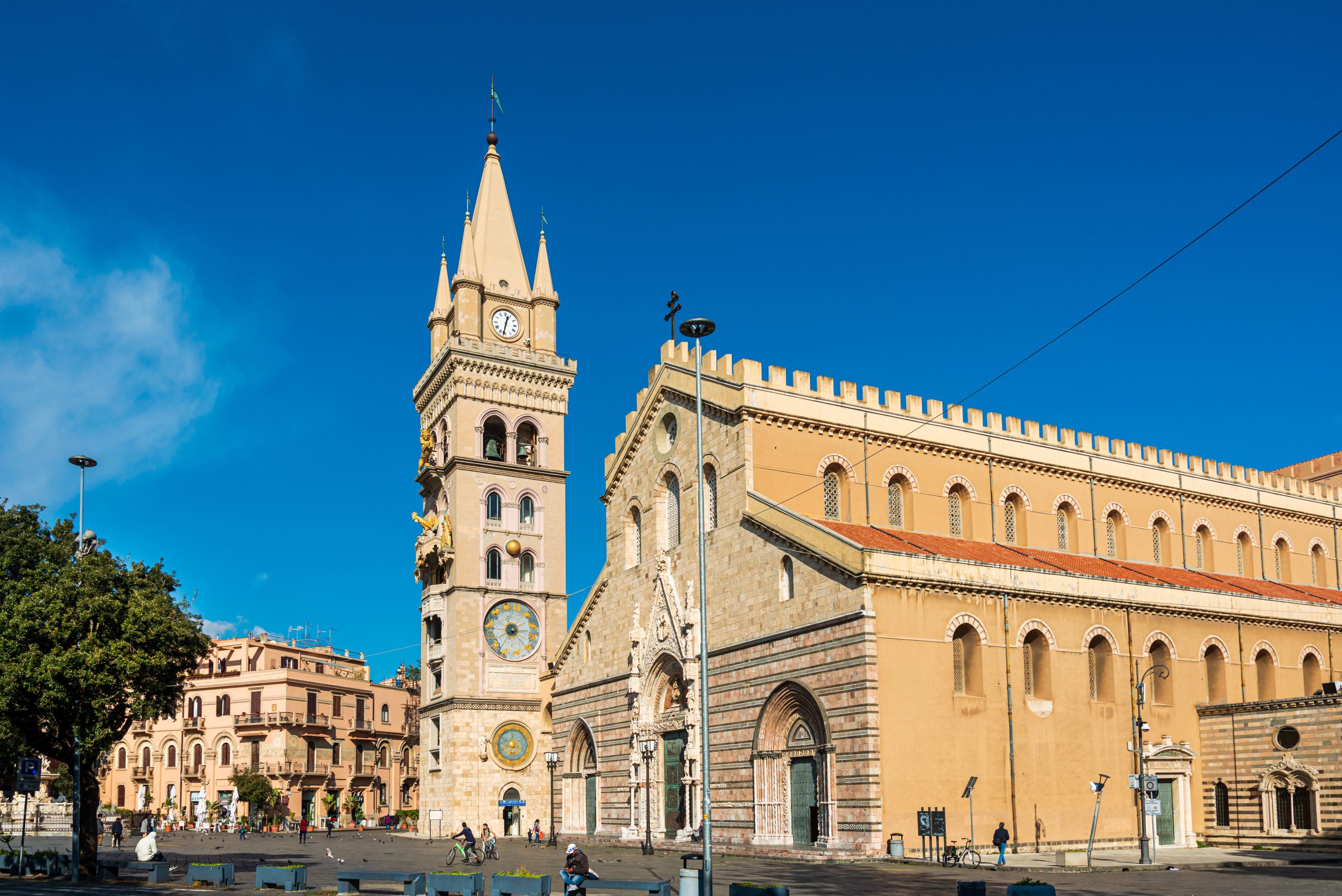
Set within the bell tower of the Cathedral, it dominates the square with one of the most complex systems of automata and astronomical dials in the world. Designed in 1933 by the renowned Ungerer company of Strasbourg, it is far more than a clock: it is a theatrical machine created to express the city’s identity and to celebrate its rebirth after the devastating earthquake of 1908.
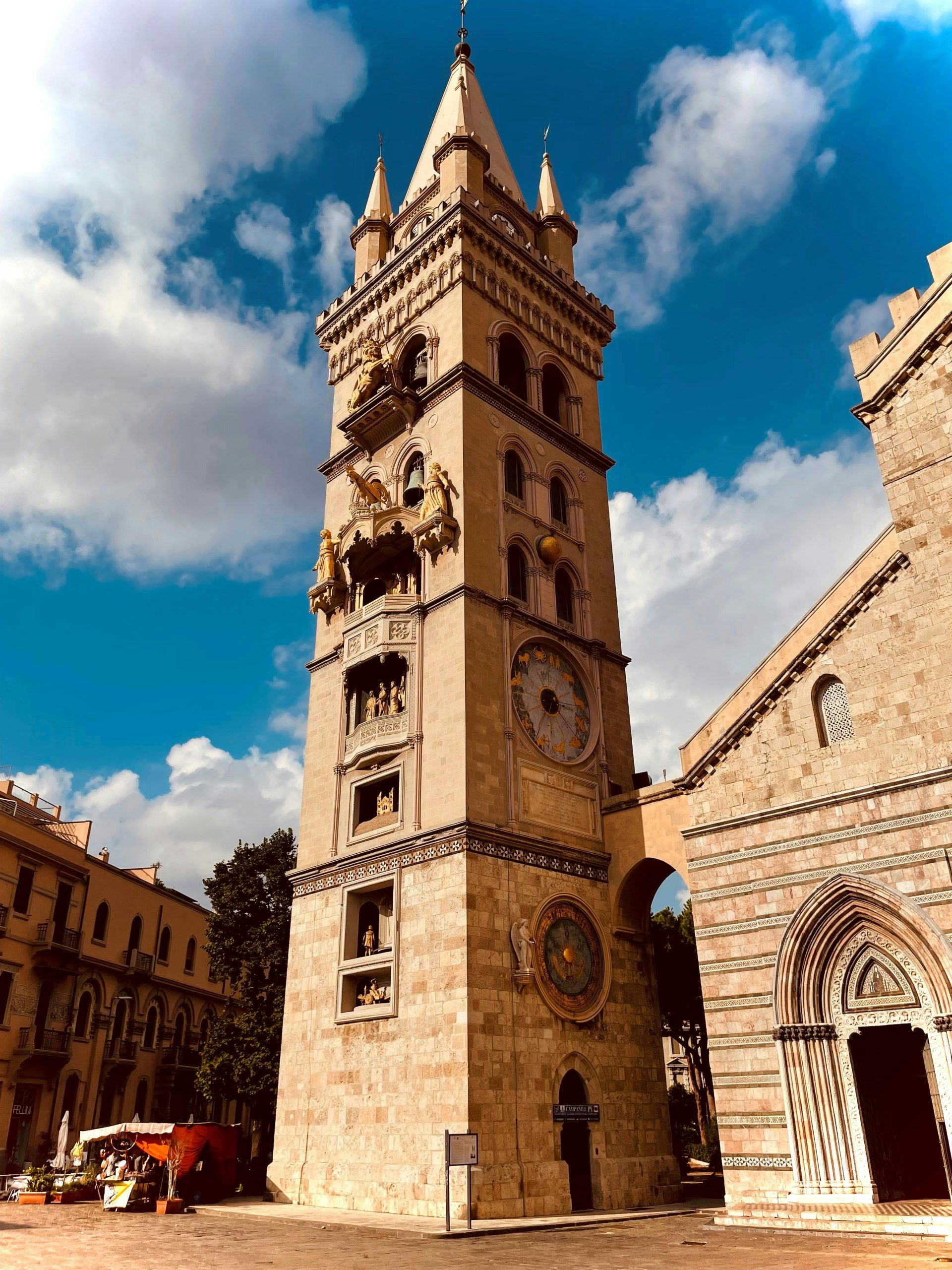
Every day, at 12.00 pm, the tower comes alive in a perfectly choreographed sequence. The Lion of Messina, almost four metres tall, raises the banner and roars three times, recalling the strength of the city. The golden Rooster spreads its wings and crows, while Dina and Clarenza, heroines of the Sicilian Vespers, ring the bells with remarkably natural movements. This is followed by the Carousel of the Ages of Life, portraying childhood, maturity and old age advancing before the figure of Time, a fascinating allegory of the human condition. The scenes dedicated to the Sanctuary of Montalto evoke the miraculous apparition that, according to tradition, guided the medieval rebuilding of the city.
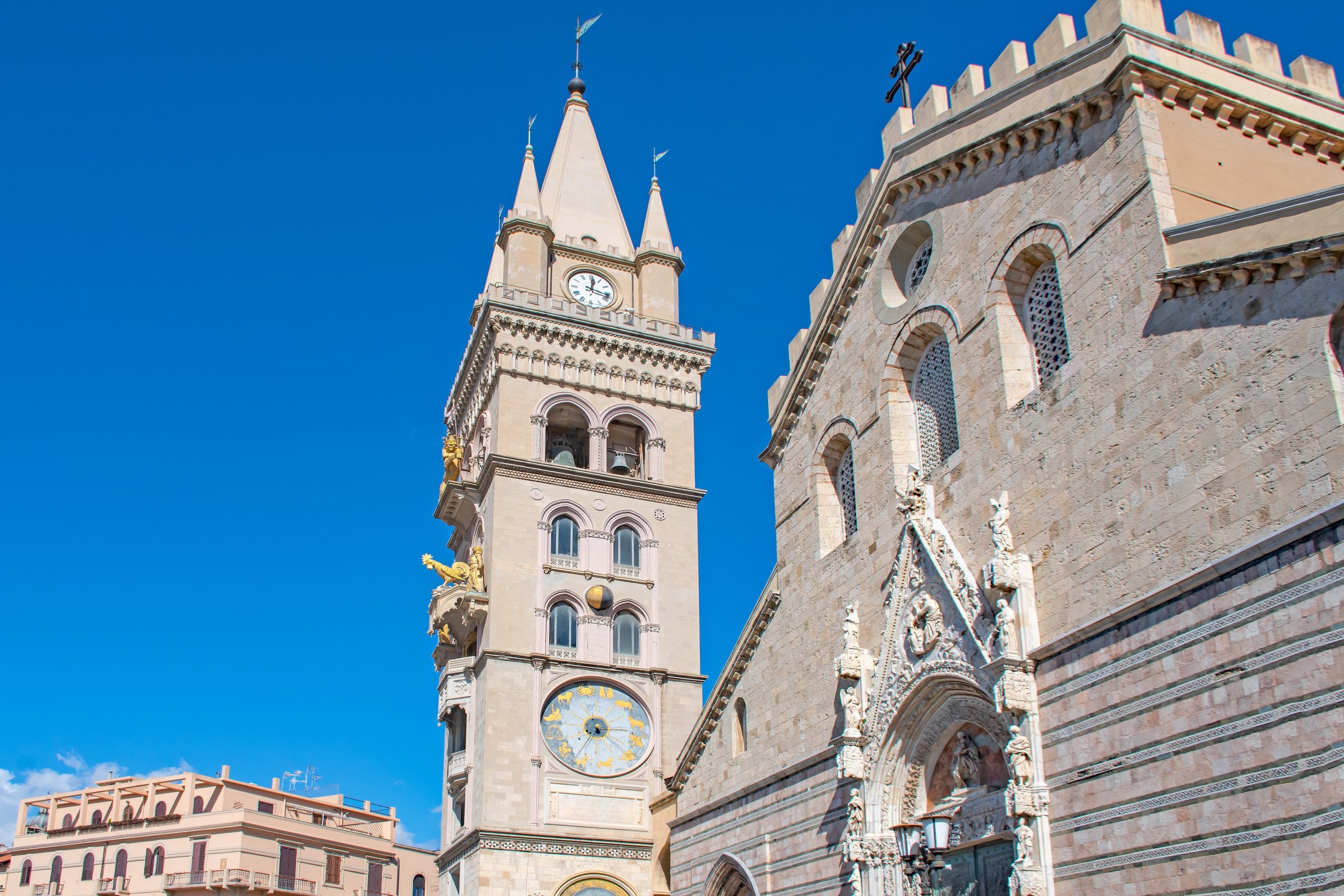
On the side facing the cathedral, the clock reveals its astronomical soul: a planetarium illustrating the movement of the planets around the Sun, the circle of the zodiac marking the months of the year, the perpetual calendar automatically updating days and feasts, and the large globe of the lunar phases, faithfully reproducing the Moon’s cycle and turning the bell tower façade into a celestial atlas. A perfect balance between science and poetry.
And once every element has returned to its place, the magic continues inside the bell tower, where visitors can discover the intricate network of gears and counterweights that drive the mechanism — a spectacle that enchants both adults and children.
Share this content!
YOU MAY ALSO BE INTERESTED
Church of San Cataldo in Palermo
Church of San Cataldo Part of the Norman-Arab Palermo route and the Cathedrals of Cefalù and Monreale UNESCO World Heritage, it [...]
Aidone
If you find yourself in the province of Enna, plan a day trip to Aidone. It's absolutely worth it! The old [...]
Holy Week in Sicily, the celebrations you should not miss